The Future of Facades: Sameer Kumar
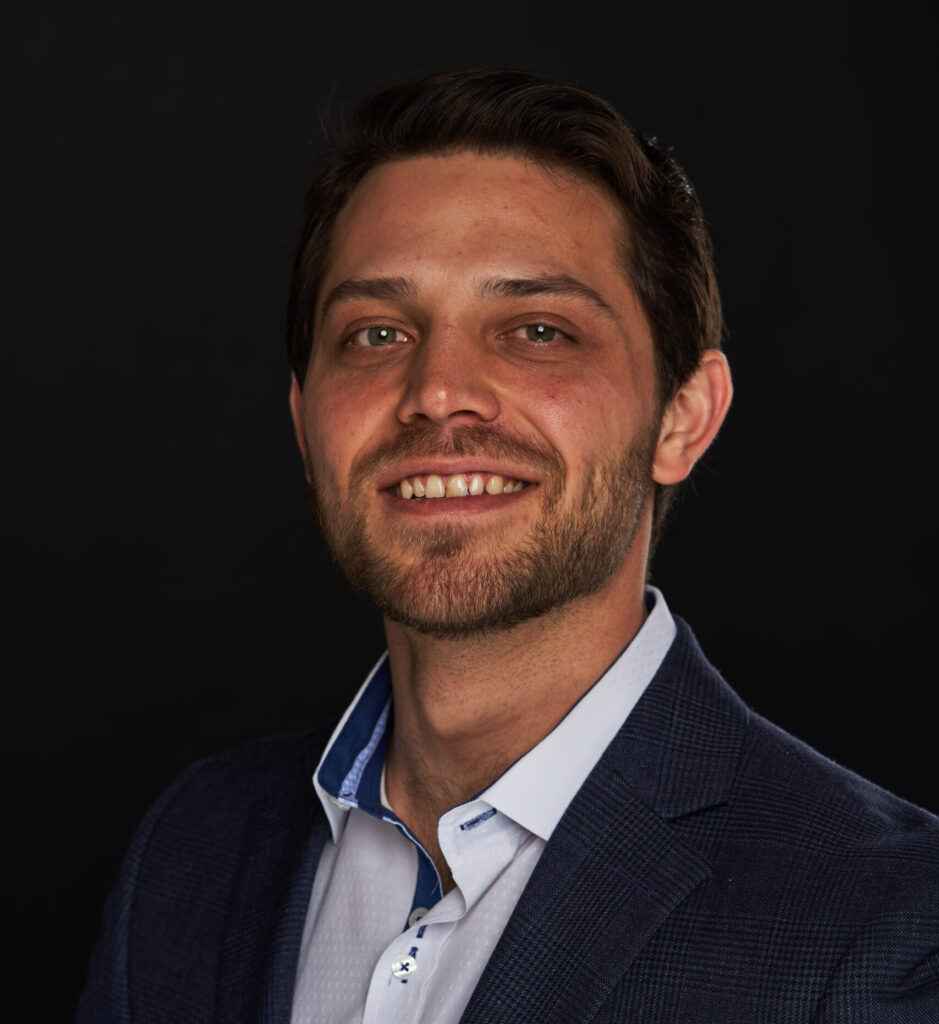
The Future of Facades is the topic of this blog post. We take a dive and discuss with the renowned facade consultant Sameer Kumar issues like AI Design, key trends in facade design, urbanization, new materials technologies, embodied carbon etc. Sameer Kumar is the Founder of Techne, a building enclosure design and consulting firm based in New York. With over 23 years of experience in the field of architectural facades, Sameer’s accomplishments represent a consistent pursuit of design excellence through the balance of craft and environmental performance in a wide variety of material expressions on several prominent projects around the globe. Sameer extends his contributions to the architecture profession through his academic engagement as visiting faculty member with Princeton University and the University of Pennsylvania, as well as through active participation in various architectural conferences as speaker and panelist. Sameer is a Fellow of the American Institution of Architects and a licensed architect in the State of New York. He holds degrees in architecture from the University of Pennsylvania, Philadelphia, and CEPT University, Ahmedabad. He has been included in the list of “2024 Most Influential People” by US Glass Magazine and is appointed in 2025 AIA New York Nominating Committee. Skyline Facades: Sameer, do you believe that AI and data-driven design will have a major role to play in the development of facades in the next 20 years? Sameer: Yes, I do believe that generative AI represents the next stage of computing, and it will have a significant impact on how we do our work. I often think about the early nineties when I was starting my architectural education, and we were still learning to draw by hand and produce ammonia prints. By the mid-nineties, there was a lot of buzz about the oncoming age of computers which included some bold speculations about the future of the profession, where computers would greatly devalue us, the professionals, to society. We are hearing very similar assertions being made today. Well, as we know, computers have brought about paradigmatic changes to how we think and produce our work, but they have not, in any sense, been able to replace us humans. I feel that the same is going to be true with AI. Skyline: What are the key trends shaping the future of facades, particularly in urban environments like New York City? Sameer: The climate crisis is the most prescient issue shaping our vision and our focus as professionals. I see two distinct trends: the first is around the rich interest in refurbishment and repositioning of existing buildings. We have good evidence from successful projects completed in the last few years that retrofit facades can bring unprecedented ideas to the surface, especially ones that would be unthinkable in the context of designing for new construction. It has mostly to do with the logistics of building the façade without having to navigate around the sequence and logistics of building the primary structure. The second trend is surrounding the growing emphasis on embodied carbon, which is rapidly becoming the new measure of the impact of human activity on the natural environment. We have spent the last 2-2.5 decades developing and mastering methods that ensure energy efficiency in buildings, which is entirely about operational carbon. The pivot to prioritizing embodied carbon would require a lot of unlearning and relearning and has the potential to disrupt many truths about facades that we have taken for granted in the past several years. Skyline: I recently read a study by United Nations projecting that by year 2050, 68% of the world population will live in cities. If we assume the territory as, more or less as granted, we expect to build vertically. What challenges this implies for the facades? Sameer: The design and development of the contemporary façade systems has largely been driven by the extreme needs of building tall buildings in high-density environments. For example, the evolution from stick-built systems to unitized systems was rooted in finding better performing façade solutions that could scale past the limitations of stick-built systems in terms of building height and the speed of installation. Going further too, large scale buildings, with their extreme requirements and economy of scale, shall continue to create fertile ground for innovation in our field, whether it is driven by the imperative of the climate crisis, the rapidly evolving impact of computing technologies, or the critical factor of labor and site safety. Skyline: What kinds of materials do you think will dominate facade construction in the next two decades? Are we moving toward entirely new materials or innovative uses of existing ones? Sameer: I would say both. The emergence of embodied carbon as a metric of performance is already showing significant shifts in the industries engaged in the production of construction materials. As you mention, there are two distinct lines of research and innovation that are evident: the first is the pursuit of new materials, mostly biologically “grown”, which carry the promise of carbon-neutral or carbon-positive alternatives to the traditional materials that are in wide use. The other, and probably the most important drive, is for industries producing traditional materials to find ways to improve the carbon footprint of their products. Thus, we see the emergence of low-carbon glass, metals, concrete, etc. This is not only easier to accomplish, the potential benefits of improving these materials would be tremendous and immediate, owing to the scale of use of these materials. Skyline: With growing awareness of embodied carbon in construction, how can facade engineers and designers minimize the carbon footprint of materials while maintaining performance and durability? Sameer: This is a great question, and one that I am very keenly engaged with within my practice and my teaching. Majority of the current conversation around carbon-conscious design relies upon a quantitative approach: there is a growing emphasis on EPDs, material databases, carbon calculators, etc. I find this process of “carbon accounting” to be too fine-grain and abstract for most early-stage design applications. The level of technical knowledge and involvement this
The Future of Facades: Sameer Kumar Read More »