Author name: Petros Karatzas

Η πρόσοψη ως ολιστικό σύστημα απόδοσης

Ο Πέτρος Καρατζάς, Executive Director της Skyline Facades και ο Jaime Cavazos, founder της Cavazos Associates μιλούν στο περιοδικό Sun & Shadow και την Έλενα Μαχαίρα για την πρόσοψη ως ολιστικό σύστημα απόδοσης, την ενέργεια, ασφάλεια και ψηφιακή τεχνολογία στον σχεδιασμό του 2026. *Το άρθρο δημοσιεύθηκε στο περιοδικό Sun & Shadow στις 5 Ιουνίου 2026. Για δεκαετίες, η πρόσοψη αντιμετωπιζόταν ως το «κέλυφος» του κτιρίου, ένα όριο που διαχώριζε το μέσα από το έξω, με κυρίως προστατευτικό και αισθητικό ρόλο. Σήμερα, αυτή η αντίληψη έχει αλλάξει ριζικά. Στο σύγχρονο κατασκευαστικό περιβάλλον του 2026 η πρόσοψη (facade) μετατρέπεται σε ένα σύνθετο, δυναμικό σύστημα που επηρεάζει καθοριστικά την ενεργειακή απόδοση, την ασφάλεια, τη βιωσιμότητα και τελικά την ίδια την αξία του κτιρίου. Η εξέλιξη αυτή δεν αφορά μόνο την τεχνολογία. Αφορά μια βαθύτερη μετατόπιση στον τρόπο που αντιλαμβανόμαστε το building envelope: από παθητική επιφάνεια σε ενεργό μηχανισμό. Η πρόσοψη γίνεται ένα interface που διαχειρίζεται ροές – ενέργειας, φωτός, θερμότητας και αέρα- ενώ ταυτόχρονα ενσωματώνει κανονισμούς, δεδομένα και σχεδιαστικές επιλογές. Σε αυτό το πλαίσιο, το facade engineering αποκτά στρατηγικό ρόλο, λειτουργώντας ως σημείο σύγκλισης πολλαπλών απαιτήσεων: ενεργειακής απόδοσης, ασφάλειας, αρχιτεκτονικής έκφρασης και κατασκευασιμότητας. Η πρόσοψη ως στρατηγικό εργαλείο Η πρόσοψη δεν μπορεί πλέον να αντιμετωπίζεται ως ένα επιμέρους στοιχείο του κτιρίου. Αποτελεί ένα στρατηγικό εργαλείο που επηρεάζει την ενεργειακή απόδοση, την ασφάλεια, την κατασκευαστική διαδικασία και τη συνολική αξία του έργου. Η πρόκληση για το σύγχρονο σχεδιασμό δεν είναι απλώς η ενσωμάτωση νέων τεχνολογιών, αλλά η ικανότητα σύνθεσης όλων αυτών των παραμέτρων σε ένα συνεκτικό σύστημα. Ένα σύστημα που ανταποκρίνεται ταυτόχρονα σε περιβαλλοντικές, τεχνικές και αρχιτεκτονικές απαιτήσεις. Σε αυτή τη νέα συνθήκη, η πρόσοψη παύει να είναι το «τελευταίο στρώμα» της κατασκευής. Αντίθετα, γίνεται ένα από τα πρώτα και πιο καθοριστικά στοιχεία του σχεδιασμού, ένα σημείο όπου η αρχιτεκτονική, η μηχανική και η τεχνολογία συναντώνται για να διαμορφώσουν το κτίριο του μέλλοντος. Η οπτική των ειδικών Ο Πέτρος Καρατζάς τοποθετεί την πρόσοψη στο επίκεντρο της ενεργειακής και περιβαλλοντικής συμπεριφοράς του κτιρίου, περιγράφοντάς την ως ένα δυναμικό σύστημα που διαχειρίζεται κρίσιμες ροές: ενέργεια, φως, αέρα και θερμότητα. Όπως επισημαίνει, ο σωστός σχεδιασμός της πρόσοψης μπορεί να περιορίσει σημαντικά τις θερμικές απώλειες τον χειμώνα και τα θερμικά κέρδη το καλοκαίρι, μειώνοντας την ανάγκη για μηχανική θέρμανση και ψύξη. Σε αυτό το πλαίσιο, τεχνολογίες όπως οι υαλοπίνακες υψηλής απόδοσης, τα διπλά κελύφη, τα συστήματα σκίασης και τα φωτοβολταϊκά μετατρέπουν την πρόσοψη σε έναν ενεργειακό μηχανισμό, όχι μόνο εξοικονόμησης, αλλά και παραγωγής ενέργειας. Ιδιαίτερη σημασία αποδίδει στα συστήματα σκίασης, τα οποία θεωρεί πλέον αναπόσπαστο στοιχείο του σχεδιασμού. Σε κτίρια µε υψηλό ποσοστό ανοιγμάτων, η σκίαση αποτελεί τον βασικό τρόπο ελέγχου της ηλιακής ακτινοβολίας πριν αυτή εισέλθει στο εσωτερικό. Μια σωστά μελετημένη λύση μπορεί να μειώσει σημαντικά τα ψυκτικά φορτία, ιδιαίτερα σε μεσογειακά κλίματα, ενώ παράλληλα επιτρέπει την αξιοποίηση του φυσικού φωτισμού χωρίς να θυσιάζεται η άνεση των χρηστών. Ταυτόχρονα, αναδεικνύει το διττό ρόλο της σκίασης: δεν είναι μόνο τεχνικό εργαλείο, αλλά και βασικό μέσο αρχιτεκτονικής έκφρασης. Μέσω σταθερών ή κινητικών στοιχείων, μπορεί να προσδώσει ρυθμό, βάθος και ταυτότητα στο κτίριο, σε πολλές περιπτώσεις αποτελώντας το κυρίαρχο μορφολογικό του χαρακτηριστικό. Στον τομέα της ασφάλειας, η εμπειρία του από έργα στο Ηνωμένο Βασίλειο αναδεικνύει την καθοριστική σημασία των κανονισμών, ιδιαίτερα μετά τις αλλαγές που προκάλεσε η πυρκαγιά στον πύργο Grenfell. Όπως αναφέρει, εκατοντάδες κτίρια κρίθηκαν ακατάλληλα λόγω εύφλεκτων υλικών στις προσόψεις τους, οδηγώντας σε εκτεταμένες επεμβάσεις re-cladding. Σε αυτό το περιβάλλον, η επιλογή υλικών και συστημάτων δεν γίνεται μόνο με βάση τη θερμική τους απόδοση, αλλά και με γνώμονα τη συμπεριφορά τους σε περίπτωση πυρκαγιάς. Ο σχεδιασμός των ενώσεων, η πυροδιαμερισματοποίηση και η διαχείριση των interfaces μεταξύ διαφορετικών συστημάτων αποτελούν κρίσιμα στοιχεία που καθορίζουν την ασφάλεια ενός κτιρίου. Ο ίδιος υπογραμμίζει ότι το κλειδί βρίσκεται στην έγκαιρη ενσωμάτωση όλων αυτών των παραμέτρων μέσω μιας ολιστικής προσέγγισης, όπου η ενεργειακή απόδοση, η ασφάλεια και η κανονιστική συμμόρφωση τίθενται εξαρχής ως ισότιμοι στόχοι. Σε αυτό το πλαίσιο, ο ρόλος του facade engineer είναι να λειτουργεί ως «γέφυρα» που μεταφράζει συχνά αντικρουόμενες απαιτήσεις σε μια συνεκτική και κατασκευάσιμη λύση. Τέλος, δίνει ιδιαίτερη έμφαση στη σημασία του κύκλου ζωής των προσόψεων. Σε έργα αναβάθμισης, είτε λόγω αστοχιών είτε λόγω φθοράς, η επιτυχία εξαρτάται από παράγοντες όπως η συμμόρφωση με τον κανονισμό, η ασφάλεια, αλλά και τα συνολικά οικονομικά του κτιρίου. Η πρόσοψη, σε αυτές τις περιπτώσεις, λειτουργεί ως κρίσιμο asset που μπορεί να διατηρήσει ή να αυξήσει την αξία του ακινήτου, ενώ παράλληλα πρέπει να διασφαλίζεται η συνέχιση της λειτουργίας του κατά τη διάρκεια των εργασιών. Ο Jaime Cavazos προσεγγίζει την πρόσοψη ως ένα ολοκληρωμένο και τεχνολογικά ενισχυμένο σύστημα, στο οποίο η ενεργειακή απόδοση, η κατασκευαστική λογική και η ψηφιακή εξέλιξη συνυπάρχουν. Όπως επισημαίνει, η όψη έχει πλέον ξεπεράσει το ρόλο του παθητικού περιβλήματος και λειτουργεί ως ενεργός συντελεστής της συνολικής ενεργειακής στρατηγικής του κτιρίου. Μέσα από τον ηλιακό έλεγχο, τη βελτιστοποίηση του φυσικού φωτισμού και την ενσωμάτωση συστημάτων όπως τα BIPV, οι σύγχρονες προσόψεις συμβάλλουν ενεργά στην επίτευξη στόχων net-zero. Ωστόσο, δίνει ιδιαίτερη έμφαση στην ανάγκη ισορροπίας. Σε σύνθετα και ψηλά κτίρια, η ενεργειακή απόδοση δεν μπορεί να εξετάζεται ανεξάρτητα από την πυρασφάλεια, την ανθεκτικότητα και τη μακροχρόνια αξιοπιστία. Η πρόσοψη πρέπει να αντιμετωπίζεται ως ένα συντονισμένο σύστημα, όπου κάθε στοιχείο και κάθε διεπαφή συμβάλλει στη συνολική απόδοση. Στο πεδίο της αρχιτεκτονικής και του σχεδιασμού, αναδεικνύει τη σημασία των συστημάτων σκίασης, τα οποία θεωρεί πλέον αναπόσπαστο μέρος της σύνθεσης. Πέρα από τη συμβολή τους στη μείωση των ψυκτικών φορτίων, επιτρέπουν μεγαλύτερη διαφάνεια και επηρεάζουν άμεσα την αρχιτεκτονική ταυτότητα του κτιρίου. Παράλληλα, επισημαίνει ότι η ενσωμάτωση τους απαιτεί τεχνική ακρίβεια, λαμβάνοντας υπόψη παραμέτρους όπως η δομική συμπεριφορά, οι ανεμοπιέσεις και οι ανάγκες συντήρησης. Η ψηφιοποίηση αποτελεί, σύμφωνα με τον ίδιο, έναν από τους βασικούς παράγοντες που αναδιαμορφώνουν τον κλάδο. Τα εργαλεία παραμετρικού σχεδιασμού επιτρέπουν την καλύτερη διαχείριση σύνθετων γεωμετριών, ενώ η αυτοματοποίηση και η προκατασκευή οδηγούν σε υψηλότερη ακρίβεια και αποδοτικότητα στην κατασκευή. Ωστόσο, τονίζει ότι η τεχνολογία δεν είναι από μόνη της καθοριστική. Η επιτυχία εξαρτάται από τον τρόπο ενσωμάτωσης της σε ένα συνεκτικό σύστημα. Η πρόσοψη παραμένει μια πολυεπίπεδη κατασκευή,

Η πρόσοψη ως ολιστικό σύστημα απόδοσης Read More »

Society of Facade Engineering

SFE Greek Hub: Ιδρυση ενός κόμβου τεχνογνωσίας στην Ελλάδα

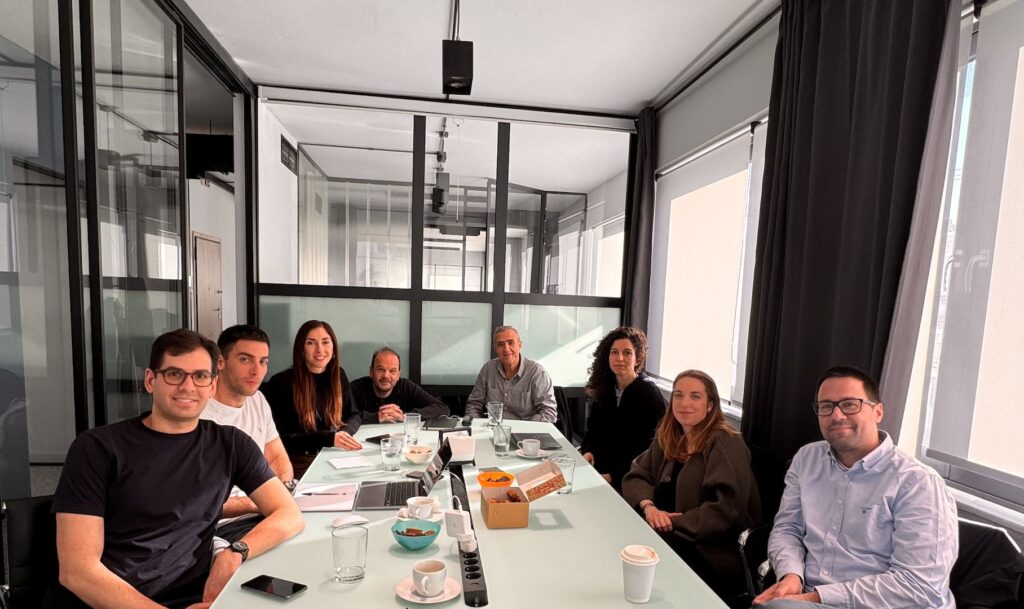
Το περιοδικό Sun & Shadow φιλοξένησε στην έκδοση του Ιουνίου 2026 αφιέρωμα για την ίδρυση του Society of Facade Engineering (SFE) Greek Hub. Στη σύγχρονη αρχιτεκτονική, η πρόσοψη έχει πάψει να λειτουργεί ως απλό περιμετρικό στοιχείο του κτιριακού κελύφους και αντιμετωπίζεται ως ένα ολοκληρωμένο σύστημα υψηλής τεχνολογικής και περιβαλλοντικής απόδοσης, με καθοριστική επίδραση στην ενεργειακή συμπεριφορά, τη θερμική και οπτική άνεση, την ασφάλεια και την αισθητική ταυτότητα του κτιρίου. Η αυξανόμενη πολυπλοκότητα των κτιριακών περιβλημάτων έχει αναδείξει τη μηχανική προσόψεων (facade engineering) σε κρίσιμο πεδίο εξειδίκευσης, όπου η αρχιτεκτονική, η μηχανική και η τεχνολογία υλικών συναντώνται σε ένα ενιαίο πλαίσιο σχεδιασμού. Η ίδρυση του Greek Hub του Society of Facade Engineering (SFE) σηματοδοτεί την οργανωμένη είσοδο της Ελλάδας σε ένα διεθνές δίκτυο τεχνογνωσίας, το οποίο εστιάζει στη συστηματική προσέγγιση του σχεδιασμού και της απόδοσης των κτιριακών κελυφών. Η διεθνής πρακτική έχει αναγνωρίσει εδώ και χρόνια ότι η πρόσοψη αποτελεί καθοριστικό παράγοντα για τη συνολική απόδοση ενός κτιρίου. Δεν λειτουργεί πλέον ως «κέλυφος»,αλλά ως ενεργό σύστημα που ρυθμίζει τη ροή ενέργειας, τον ηλιακό έλεγχο, τον φυσικό φωτισμό, τον αερισμό και την ακουστική συμπεριφορά. Η πολυπλοκότητα αυτή απαιτεί μια διεπιστημονική προσέγγιση. Η μηχανική προσόψεων έχει αναδειχθεί παγκοσμίως ως το πεδίο που οργανώνει και ενοποιεί αυτές τις παραμέτρους. Στην Ελλάδα, η σχετική εξέλιξη έχει επιταχυνθεί τα τελευταία χρόνια, ακολουθώντας την αναβάθμιση της κατασκευαστικής δραστηριότητας και την αυξανόμενη τεχνική πολυπλοκότητα των σύγχρονων έργων. Society of Facade Engineering Το Society of Facade Engineering (SFE) είναι ένας διεθνής οργανισμός που προωθεί τη γνώση και τη βέλτιστη πρακτική στον σχεδιασμό και την υλοποίηση κτιριακών κελυφών. Ιδρύθηκε ως κοινή πρωτοβουλία κορυφαίων επαγγελματικών φορέων του Ηνωμένου Βασιλείου και σήμερα λειτουργεί ως παγκόσμιο δίκτυο ανταλλαγής τεχνογνωσίας μεταξύ μηχανικών, αρχιτεκτόνων και εξειδικευμένων συμβούλων. Κεντρικός του ρόλος είναι η ενίσχυση της τεχνικής αριστείας και της συνεργασίας μεταξύ των ειδικοτήτων που εμπλέκονται στον σχεδιασμό της πρόσοψης, με στόχο την επίτευξη κτιρίων υψηλής απόδοσης και ποιοτικού περιβαλλοντικού ελέγχου. Σε αυτό το πλαίσιο, η Ελλάδα εντάσσεται πλέον με τη δημιουργία του SFE Greek Hub, αποτελώντας τον έκτο περιφερειακό κόμβο του οργανισμού παγκοσμίως. Η δημιουργία του Greek Hub Το SFE Greek Hub συγκροτήθηκε από μια ομάδα Ελλήνων επαγγελματιών με σημαντική εμπειρία στη μηχανική προσόψεων, με δραστηριότητα τόσο στην Ελλάδα όσο και εκτός συνόρων. Η πρωτοβουλία αυτή αντανακλά την παρουσία ενός δυναμικού τεχνικού οικοσυστήματος, το οποίο τα τελευταία χρόνια έχει συμβάλει ουσιαστικά στην αναβάθμιση της τεχνογνωσίας στον τομέα των κτιριακών όψεων. Η ίδρυση του hub αποτελεί σημείο αναφοράς για την κοινότητα των facade engineers στη χώρα, καθώς για πρώτη φορά δημιουργείται ένα επίσημο πλαίσιο σύνδεσης με το ευρύ δίκτυο του SFE, αλλά και ένα οργανωμένο περιβάλλον ανταλλαγής γνώσης και εμπειρίας σε εθνικό επίπεδο. Στόχοι και στρατηγικός ρόλος Ο ρόλος του SFE Greek Hub δεν περιορίζεται στη δικτύωση. Διαμορφώνεται γύρω από έναν σαφή στρατηγικό πυρήνα που αφορά την εξέλιξη της ίδιας της πρακτικής της μηχανικής προσόψεων στην Ελλάδα. Κεντρική επιδίωξη είναι η ενίσχυση της τεχνικής γνώσης και η διάχυση βέλτιστων πρακτικών στον σχεδιασμό και την υλοποίηση κτιριακών κελυφών. Παράλληλα, το hub λειτουργεί ως πλατφόρμα συνεργασίας μεταξύ αρχιτεκτόνων, μηχανικών και συμβούλων, ενισχύοντας μια πιο ολιστική προσέγγιση στη μελέτη της πρόσοψης. Ιδιαίτερη βαρύτητα δίνεται στην αναβάθμιση προτύπων ποιότητας, ασφάλειας και απόδοσης, σε ένα περιβάλλον όπου οι απαιτήσεις για βιωσιμότητα και ενεργειακή αποδοτικότητα συνεχώς αυξάνονται. Η σημασία της συγκρότησης ενός πλαισίου Η ίδρυση του Greek Hub αντανακλά την ωρίμανση ενός τεχνικού πεδίου που βρίσκεται πλέον στον πυρήνα της σύγχρονης αρχιτεκτονικής πρακτικής. Καθώς τα κτίρια καλούνται να ανταποκριθούν σε ολοένα πιο απαιτητικές συνθήκες, η πρόσοψη αποκτά κεντρικό ρόλο ως σύστημα ελέγχου και απόδοσης. Η ανάγκη για εξειδικευμένη γνώση και συνεργατικές μεθόδους σχεδιασμού καθίσταται καθοριστική. Το SFE Greek Hub έρχεται να υποστηρίξει αυτή τη μετάβαση, προσφέροντας ένα πλαίσιο διαλόγου, εξέλιξης και σύνδεσης με τη διεθνή κοινότητα του façade engineering. Μια κοινότητα με διεθνή προσανατολισμό Το SFE Greek Hub αποτελεί μια ελληνική πρωτοβουλία με έντονα διεθνή διάσταση. Η σύνθεση των ιδρυτικών μελών του αντικατοπτρίζει αυτή ακριβώς τη συνθήκη: έναν συνδυασμό εμπειρίας από σύνθετα έργα και ενεργούς συμμετοχής σε ποικίλα επαγγελματικά περιβάλλοντα. Οι ιδρυτικοί συντελεστές είναι: Χρυσάνθη Αναστασίου (Create) Λήδα Μπαρού (WSP) Jaime Cavazos (Cavazos & Associates) Μαρία Δήμα (Eckersley O’Callaghan) Γιώργος Ηλιάδης (Ilicon) Άννα Ιωαννίδου-Κατή (Eckersley O’Callaghan) Πέτρος Καρατζάς (Skyline Façades) Στέλιος Κρητικός (F-nous) Κοσμάς Μουπαγιτσόγλου (Eckersley O’Callaghan) Μαρία Μουρζούχου (BBI – Intrakat RT JV) Τάσος Πουλοκέφαλος (Interface Façade Engineering) Βαλεντίνη Σαρακινιώτη (Thornton Tomasetti) Λευτέρης Σιαμόπουλος (FMDC) Ανδρέας Τσίχλης (Cavazos & Associates) Ιάσονας Βαρδακούλιας (Spatial Labs) Άγγελος Ζωγράφος (Elval Colour) Η ομάδα αυτή συγκεντρώνει ευρύ φάσμα εμπειρίας στον σχεδιασμό και την υλοποίηση συστημάτων προσόψεων, συμβάλλοντας ενεργά στη διαμόρφωση του πεδίου τόσο σε εθνικό όσο και σε παγκόσμιο επίπεδο. Το αφιέρωμα είναι διαθέσιμο στην ηλεκτρονική σελίδα του περιοδικού Sun & Shadow. Read More

SFE Greek Hub: Ιδρυση ενός κόμβου τεχνογνωσίας στην Ελλάδα Read More »

Petros Karatzas at ZAK Cyprus

ZAK World of Facades, Cyprus 2026

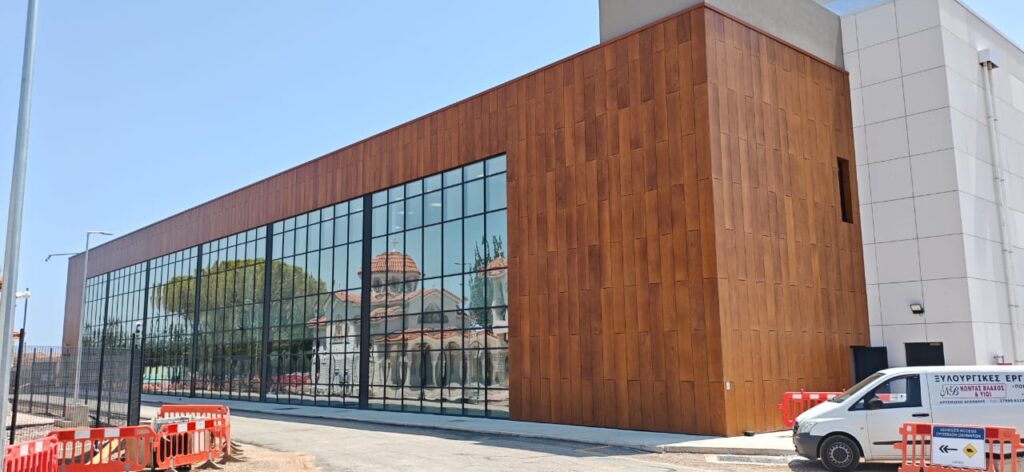
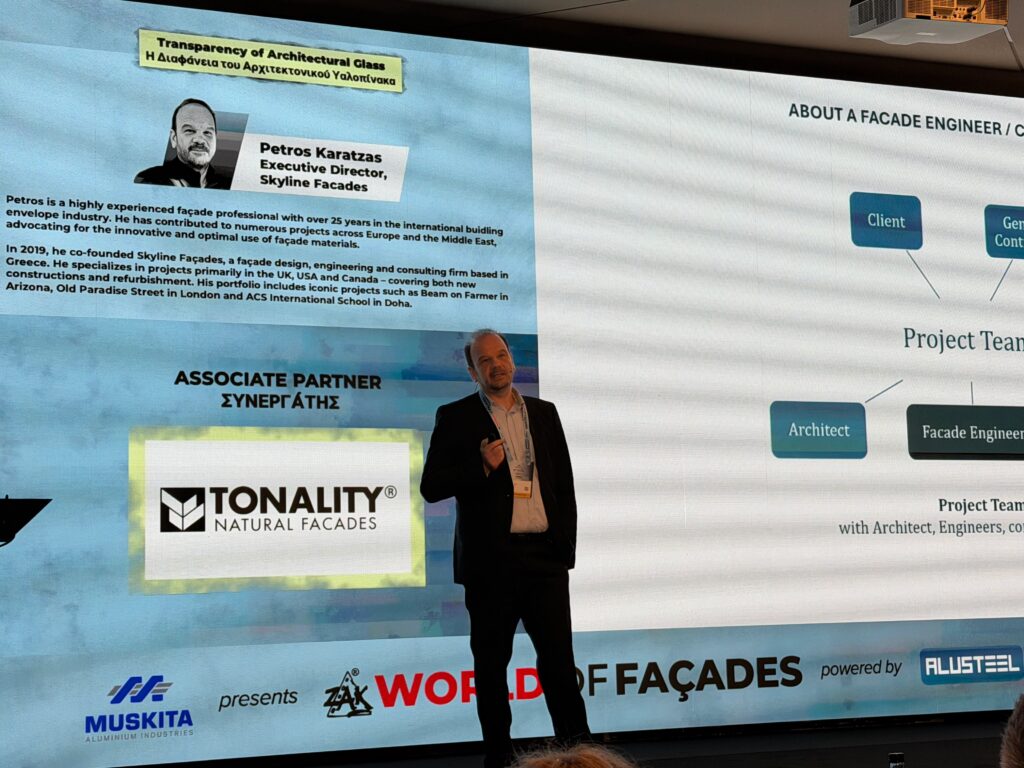
Our Executive Director, Petros Karatzas had the pleasure of presenting at the first ever ZAK event in Cyprus on 11/06/2026 and talk about the transparency of architectural glass and the ways that the natural and artificial light affect our psychology and biology. As Petros  mentioned  on stage, we mention it here, what our friend Ahad has accomplished is really remarkable. In his welcome speech he stated that Cyprus is the 51st country that ZAK event is organized. ZAK series have definitely contributed in putting facades as a part of the discussion globally and we are all honoured to be a part of this journey. We spent as Skyline Facades team, 3 amazing days in the island, and we were genuinely impressed by the amount of construction activity taking place. One of the best parts of the trip was -without question- to finally meet in person with many of the people we talk remotely, such as Antonis, Denada, Ioanna, and Alexia, among others. As useful and practical Zoom and Teams meeting are, nothing beats a face-to-face conversation and being on the same table over a cup of coffee. Tasos Poulokefalos did a great job as a host, and as fellow SFE Greek members (along also with Jaime) it was wonderful to meet and invite the facade engineer colleagues from Cyprus, like Geroge Sergiou and Odysseas Georgiou. Looking forward to the next one! #zakworldoffacades #cyprus #skylinefacades #sfe #facadeengineering #glass Read More

ZAK World of Facades, Cyprus 2026 Read More »

Matt Dunham

Behind the Curtain Wall: Matt Dunham

In the facade industry we mostly talk about performance, on-time and on-budget deliveries or complex solutions. What we talk about far less, or not at all, is the personal pressure behind the projects. Today’s guest in our blog is Matt Dunham, a former Facade Projects Director who spent decades working on major projects before experiencing a chronic stress and exhaustion  in his early 50s. That turning point led him to step away from the corporate world and start a new path in a certified Advanced Oxygen Advantage instructor, and the founder of a structured online programme for individuals and businesses alike. It’s an entirely different blog post than anything we have done so far, and one that we highly recommend to read at. It’s an honest and thoughtful discussion that many professionals in engineering, design, and construction industry may relate to. In this conversation, Matt reflects on: The hidden pressures of our industry. The early warning signs of burnout. The identity crisis we experience. #facadeengineering #construction #leadership #wellbeing #burnout #engineering Skyline Facades: Can you tell us a few things about your career? Matt: I spent just over 30 years in the construction industry, the majority of that in the facade sector. It started when I was thrown in at the deep end in Dubai in 1999. I had about six months of experience at that point and very little idea of what I was doing, honestly. But I adapted. I learned enough Arabic to communicate on site, worked six days a week and somehow delivered. That first project taught me I was more capable than I’d ever given myself credit for. From there the career built. I came back to the UK in 2004, joined a leading facade company and was made a director 2 years later. Over the following 17 years I managed projects and worked with teams across the UK, China and Switzerland. The roles were complex, high value, high liability. Everything the industry is known for. I left that world at the end of 2023. I have been running Matt Dunham Wellness, my own acupuncture and breathwork clinic in Co. Galway, Ireland and I also run Seven Rivers Wellness alongside my wife Sandra. Skyline: What did success look like from the outside? Matt: From the outside, it looked exactly the way society tells you it should. Director title, company car and project experience from around the world. There were moments I was genuinely proud of. Delivering a complex project, being trusted with major contracts, having people respect the title. I’d worked hard for all of it and it felt like validation that I was worth something. But the title became the identity. I can remember walking around the local town and thinking, “I’m a director, I’m doing well, that’s who I am.” I wasn’t thinking much about who I actually was underneath that. The external markers were everything. And looking back, that’s the thing nobody warns you about: when success becomes your entire identity, you become very fragile. Because when you realise that identity isn’t actually you you’ve nowhere you fall back to, you’ve lost touch with who you actually are. Skyline: But it’s often said that success comes with a cost. What was your cost? Matt: The honest answer is that I paid it across several different areas simultaneously, and I didn’t see most of it at the time. The most obvious cost was in relationships. In my earlier years I was aggressive, I thought that was how you got respect and got things done. What it actually did was create an island for myself. When things got hard at work, as they always do eventually, the people I’d been dismissive of weren’t rushing to help. I’d earned that. At home, the cost was time and presence. At one stage I was commuting two to two and a half hours each way into London every day. I was leaving before the children woke up and then wanting to get back before they went to bed. That created a tug of war between the family man in me and the man who wanted to do a good job. I would say I felt like I was below my best on both counts. The real cost, though, was identity. I had to become someone different to function in that environment. Every morning felt like putting on a mask. And eventually, maintaining that version of yourself takes everything you’ve got, and it got very uncomfortable, I literally felt like someone else whilst I was at work. Skyline: When was the turning point in your life? Matt: There were a few moments that each contributed, but the one I come back to is 2015. I ended up flat on the floor of our house in England with severe back spasms. I couldn’t move for 48 hours. And during those two days of enforced stillness, something shifted. I had time, for the first time in years, to actually think. And the clarity that came out of that was uncomfortable. We needed to completely change our lives. What compounded it was realising that when I was genuinely struggling, most of the people I thought had my back didn’t show up. That was a very sharp lesson about how transactional a lot of relationships had become. Not entirely their fault, to be fair. We’d bought a house in Ireland the year before. Sandra is Irish, and moving there felt like the right reset. We relocated in 2016 which was great but slowly I started to see the same patterns emerging and I started to feel genuinely unfulfilled in the corporate world around 2017, and enrolled in a three-year acupuncture course in 2018. Another pivotal moment that changed everything was a breathing retreat in Costa Rica in early 2023. Sandra was going to book it for herself and I didn’t want to miss a trip like that so I read a few books and went along with no real expectations. Within the first day

Behind the Curtain Wall: Matt Dunham Read More »

Tasos Poulokefalos

Ο ρόλος του Facade Engineer στην Ελλάδα: Τάσος Πουλοκέφαλος

Ο Τάσος Πουλοκέφαλος, Associate Facade Engineer στην Interface Facade Engineering και ιδρυτικό μέλος του Society of Facade Engineering Greek Hub, εξηγεί στην ψηφιακή έκδοση του περιοδικού Glass Forum γιατί η συνεργασία με μηχανικούς προσόψεων είναι εξαιρετικά σημαντική στις σύγχρονες κατασκευές. Συνέντευξη στην Αλεξία Καλογεροπούλου, πρωτότυπη δημοσίευση στο https://glassforum.gr/sinenteuksi-tasos-poulokefalos/ Στο 2ο Glass Forum, μιλήσατε για το ελληνικό παράρτημα του Society of Facade Engineering (SFE). Θα μπορούσατε να μας πείτε περισσότερα για αυτή την εξαιρετική πρωτοβουλία; Ποιο ήταν το βασικό κίνητρο για την ίδρυση του ελληνικού hub και πώς οραματίζεστε τον ρόλο του στη διαμόρφωση της σύγχρονης ελληνικής δόμησης; Το μακρινό 2004, στο Λονδίνο, ιδρύθηκε το Society of Façade Engineering, ένας σύλλογος για τους Facade Engineers (Μηχανικούς προσόψεων). Η πρωτοβουλία για τη δημιουργία του αντίστοιχου ελληνικού συλλόγου (Greek hub) είχε ως αφετηρία το Λονδίνο και ήρθε και έδεσε με τους εγχώριους επαγγελματίες που σχετίζονται με τον κλάδο των προσόψεων, οι οποίοι με μεγάλο ενθουσιασμό αγκάλιασαν την ιδέα. Σιγά σιγά λοιπόν, ο ελληνικός σύλλογος έχει πάρει σάρκα και οστά. Ο βασικός ρόλος του συλλόγου είναι να αποτελεί έναν κοινό τόπο συνάντησης των επαγγελματιών με κοινό ενδιαφέρον τις προσόψεις κτιρίων. Αυτός ο κοινός τόπος δεν υπήρχε στην Ελλάδα. Επιπλέον, βασικοί στόχοι είναι η ενημέρωση, η μετάδοση γνώσης και σχετικής εμπειρίας, καθώς και η επιρροή σε θέματα που αφορούν τον κλάδο, με στόχο την εξέλιξη και τη βελτίωση του, σε ευθυγράμμιση με τα σύγχρονα διεθνή πρότυπα. Πώς ορίζεται ο ρόλος του Facade Engineer στην Ελλάδα σήμερα και γιατί είναι απαραίτητος για τη διασφάλιση της ποιότητας σε έργα με εκτενή χρήση γυαλιού; Για αυτό το θέμα μπορούμε να αφιερώσουμε ατελείωτες ώρες… Δυστυχώς στην Ελλάδα, ο ρόλος του Facade Engineer δεν έχει τη θέση που του αξίζει. Η αγορά ωριμάζει σταδιακά αλλά εξακολουθεί να υστερεί. Οι βασικοί «παίκτες» της αγοράς, που είναι ο αρχιτέκτονας του έργου και ο πελάτης (developer), συχνά δεν αντιλαμβάνονται την αξία των μηχανικών με εξειδίκευση σε συγκεκριμένα αντικείμενα, καλή ώρα τώρα, οι προσόψεις. Έχοντας σπουδάσει Πολιτικός Μηχανικός στην Ελλάδα, γνωρίζω από πρώτο χέρι τη νοοτροπία της ελληνικής πραγματικότητας: «ο μηχανικός και ο αρχιτέκτονας τα λύνουν όλα». Μετά από 10+ χρόνια στην αγορά εργασίας, έχω πειστεί ότι αυτή η αντίληψη δεν είναι σωστή. Το γυαλί και η τεχνολογία που το συνοδεύει, απ΄ όσο γνωρίζω, δε διδάσκεται στα ελληνικά πανεπιστήμια. Ο τομέας αυτός εξελίσσεται τόσο γρήγορα, που είναι σχεδόν αδύνατο ένας μηχανικός που τακτοποιεί αυθαίρετα ή κάνει στατικές μελέτες σε κτίρια οπλισμένου σκυροδέματος να παραμένει συνεχώς ενημερωμένος. Αν θέλεις λοιπόν, ένα κτίριο με εκτενή χρήση γυαλιού, υψηλής ποιότητας, χωρίς οπτικές παραμορφώσεις, που να αξιοποιεί πλήρως τις σύγχρονες τεχνολογίες, είναι σημαντικό να έχεις στην ομάδα σου έναν Facade Engineer. Όταν μιλάμε για “ασφάλεια” στο αρχιτεκτονικό γυαλί, ποιες είναι οι κρίσιμες παράμετροι που συχνά διαφεύγουν από τη δημόσια συζήτηση, πέρα από την αντοχή στη θραύση; Εξίσου σημαντικές παράμετροι είναι η συμπεριφορά μετά τη θραύση, δηλαδή αν τα κομμάτια θα παραμείνουν στη θέση τους, αν θα συγκρατηθούν τα θραύσματα ή αν υπάρχει κίνδυνος πτώσης των θραυσμάτων αυτών. Μια ακόμα παράμετρος είναι η θερμική καταπόνηση και το θερμικό σοκ (thermal shock), καθώς και η αυθόρμητη θραύση του thermally toughened/tempered γυαλιού λόγω εγκλεισμάτων θειούχου νικελίου (nickel sulphide inclusions). Κρίσιμοι παράγοντες είναι επίσης η σωστή στήριξη και το σύστημα τοποθέτησης του γυαλιού, η πυρασφάλεια, όπου απαιτείται, και, προφανώς, η αντίσταση σε ανεμοπιέσεις και σεισμικές δράσεις. Πόσο επαρκές θεωρείτε το υφιστάμενο κανονιστικό πλαίσιο στην Ελλάδα, όσον αφορά τις προδιαγραφές ασφαλείας των γυάλινων όψεων; Η Ελλάδα βασίζεται σε μεγάλο βαθμό στους Ευρωκώδικες και στα αντίστοιχα ευρωπαϊκά πρότυπα EN, που καλύπτουν ζητήματα όπως η αντοχή σε φορτία ανέμου και σεισμού, η δομική επάρκεια, καθώς και οι βασικές απαιτήσεις ασφαλείας για τα υαλοπετάσματα και τα δομικά υαλοστάσια. Επίσης, υπάρχουν σαφείς προδιαγραφές για τη χρήση ασφαλούς γυαλιού (laminated, tempered) σε κρίσιμες εφαρμογές. Οπότε μπορούμε να πούμε ότι το κανονιστικό πλαίσιο θεωρείται επαρκές, τουλάχιστον σε επίπεδο θεωρητικού και τεχνικού σχεδιασμού. Το ζήτημα είναι, βέβαια, κατά πόσο αυτό τηρείται. Ποια είναι τα συνηθέστερα “κενά” που εντοπίζετε στη διαδρομή από τον αρχιτεκτονικό σχεδιασμό μέχρι την τελική τοποθέτηση του γυαλιού στο εργοτάξιο; Θα μπορούσαν κάποιες αστοχίες να έχουν προβλεφθεί μέσα από τη συνεργασία μεταξύ Αρχιτέκτονα και Facade Engineer από τα πρώτα στάδια της μελέτης (concept design); Η σωστή μελέτη και ο ορισμός των κατάλληλων προδιαγραφών κατά τη μελέτη του έργου αποτελούν ίσως το βασικότερο στάδιο. Οπότε ναι, η συνεργασία μεταξύ του Αρχιτέκτονα και του Facade Engineer από το Concept και το Development Design stage είναι ιδιαίτερα σημαντική και συνιστάται. Εν συνεχεία, ακολουθεί η εκπόνηση των κατάλληλων προδιαγραφών για την πρόσοψη της κατασκευής. Ένα επίσης βασικό στοιχείο είναι το τι συμβαίνει μετά το στάδιο των προσφορών. Και σε αυτό το σημείο είναι κρίσιμη η επικοινωνία με τον εργολάβο και τον εκάστοτε κατασκευαστή, καθώς και ο ποιοτικός έλεγχος στα εργοστάσια παραγωγής. Η επίβλεψη στο εργοτάξιο είναι αναγκαία, ειδικά σε έργα υψηλών προδιαγραφών, ώστε να διασφαλίζεται ότι τηρούνται τα συμφωνηθέντα. Το τελευταίο αυτό κομμάτι είναι ιδιαίτερα σημαντικό, καθώς, όπως όλοι γνωρίζουμε, το γεγονός ότι κάτι έχει υπογραφεί ή συμφωνηθεί, δε σημαίνει απαραίτητα ότι τηρείται στην πράξη. Με δεδομένη την κλιματική κρίση, πώς επαναπροσδιορίζεται η ασφάλεια του γυάλινου κελύφους απέναντι σε ακραία καιρικά φαινόμενα, όπως οι πολύ ισχυροί άνεμοι ή οι καύσωνες; Χρειάζεται ορθός σχεδιασμός και μελέτη από εξειδικευμένους επαγγελματίες του χώρου που ασχολούνται με το αντικείμενο και είναι ενημερωμένοι γύρω από αυτό. Στην πράξη έχουμε δει ιδιαίτερα τολμηρές εφαρμογές του «γυαλιού» απέναντι σε ακραίες κλιματολογικές συνθήκες. Η θερμική κατεργασία του γυαλιού του προσδίδει σημαντικά βελτιωμένες μηχανικές ιδιότητες, όπως αυξημένη αντοχή και ανθεκτικότητα. Οι πολυστρωματικοί υαλοπίνακες, σε συνδυασμό με κατάλληλα ενδιάμεσα φύλλα (interlayers), βελτιώνουν ουσιαστικά τη δομική συμπεριφορά ακόμη και υαλοπινάκων μεγάλων διαστάσεων. Έχοντας παραδείγματα όπου το γυαλί χρησιμοποιείται ακόμα και ως κύριο φέρον δομικό στοιχείο κατασκευών, μπορούμε να αναλογιστούμε ότι τα όρια της σύγχρονης αρχιτεκτονικής ως προς τους κατασκευαστικούς περιορισμούς έχουν διευρυνθεί σημαντικά. Με αφορμή τα μεγάλα έργα που βρίσκονται σε εξέλιξη στην Ελλάδα, όπως αυτά στο Ελληνικό, ποιες είναι οι προκλήσεις ασφαλείας που δημιουργεί η στροφή προς τα ψηλά κτίρια με γυάλινο κέλυφος; Εντάξει δεν εφευρίσκουμε ξανά την πενικιλίνη… θέλω να πω, αστειευόμενος φυσικά, ότι άλλες χώρες χτίζουν ψηλά κτίρια πολλά χρόνια νωρίτερα. Η τεχνογνωσία και η εμπειρία υπάρχει στον πλανήτη και στην Ευρώπη συγκεκριμένα. Η σωστή μελέτη

Ο ρόλος του Facade Engineer στην Ελλάδα: Τάσος Πουλοκέφαλος Read More »

Society of Facade Engineering

Society of Facade Engineering Greek Hub

After more than a decade of severe economic crisis, the construction sector in Greece is currently booming. It is not only the mega-project of Hellinikon or some other headline projects, we all see construction sites and cranes in virtually every neighborhood that we pass through. And as the architects design taller and more complex buildings, the need for facade engineering has, almost naturally, come into the discussion. In this context, the Greek Hub of the Society of Facade Engineering has been established in Athens by the end of 2025 by persons that are active in the facade sector in the country, along with young talented Greek engineers that left during the economic crisis, have been employed in some of the largest companies in the sector -mainly in the UK- and have acquired a specialized knowledge that is both valuable and necessary in our country by now. We discuss with two of its founding members, Tasos Poulokefalos and Chrysanthi Anastasiou.  What is the Society of Facade Engineering and where it was first formed?  Tasos: Back in 2004, a group of architects, structural engineers and mechanical engineers based in London recognized the growing complexity and importance of building facades and expressed a clear need to establish the Society of Facade Engineering. Their aim was to formally acknowledge facade engineering as a distinct discipline within the construction industry, rather than a subset of architecture or structural design. What benefits you believe will accrue from the emergence of the importance of the facades for the buildings in Greece.  Petros: From a market perspective, the shift to the importance of facades becomes gradually visible. Investors and clients start to recognize that facade performance is closely linked to asset value. Buildings with well-designed envelopes tend to perform better in terms of operating costs, user comfort, and certification potential, which in turn strengthens their position in a competitive real estate environment. Perhaps just as importantly, the stronger presence of facade engineering allows for greater confidence in architectural ambition. We do see in Greece nowadays taller buildings, complex geometries, the use of innovative materials, and high-performance systems. All these can be pursued without compromising the buildability or the long-term performance. This creates the space for more expressive and forward-looking architecture, grounded in technical reliability. Finally, the emergence of facade engineering as a recognized discipline contributes to the development of the wider construction sector. It encourages specialization, raises standards, and supports knowledge transfer across designers, contractors, and materials suppliers. Over time, this can position Greece more competitively, both regionally and internationally. What are the biggest challenges facade engineers and consultants face in Greece today?  Petros: For many years, the building envelopes were mostly treated as a secondary layer, something to be resolved later in the process. This perception is gradually changing, and the implications are significant. As energy performance requirements become stricter all over Europe, facades start to be  understood as one of the most critical factors in reducing a building’s operational footprint. In a country like Greece, where solar exposure is intense and cooling demands are relatively high, the way a facade is designed can have a direct and lasting impact on energy consumption, indoor comfort, and overall environmental performance. At the same time, local conditions demand a more careful and informed approach. Coastal environments, strong winds, seismic activity, and temperature variations all place stress on the building envelope. A more advanced facade engineering culture helps address these challenges in a systematic way, leading to buildings that are not only more efficient, but also more robust and durable over time. We have witnessed the recent years certain initiatives towards adherence to international standards and buildings safety, the establishment of the Hellenic Institute for the Fire Protection of Structures (ELIPYKA) being a notable one. There is of course a clear impact on quality and risk. When facade design is properly integrated and led by specialists, common issues or defects such as water penetration, poor thermal performance, or premature material degradation can be significantly reduced. This ultimately translates into fewer problems, lower maintenance costs, and more predictable outcomes for developers and owners. Which trends or innovations in facade engineering do you believe will have the biggest impact in Greece over the next 5-10 years?  Tasos: We should move toward building smarter, leaving behind outdated methods and embracing modern construction trends. This shift highlights the importance of designing sustainable building envelopes that enhance performance and environmental responsibilities. At the same, developing smart systems that are efficient and easy to maintain. Do you think there is a gap in facade engineering education or specialization in Greece? How can it be addressed, or how can someone actually become a facade engineer?   Chrysanthi: Yes, there is currently an educational gap in Greece for the façade engineering specialization, as there is no structured pathway in academia to certify a façade engineer. This reflects the past decade of market demand for the profession, which has only been rising in more recent years. There are no dedicated bachelor or master façade engineering degrees yet in Greece, although principles of the field, such as thermal performance, structural design, physics (acoustic isolation), are taught in engineering schools, eg Civil or Architectural engineering. Studying and specializing abroad in façades, however, is not uncommon. Technical University of Delft in the Netherlands and Bath University in the UK, for example, offer façade engineering specialization Masters. Similarly, Italy offers an educational path in Building Engineering, which includes building physics and structural subjects that lay the bath towards becoming a professional façade engineer. How will the Greek Hub support professionals, architects and engineering in improving facade design and performance? Chrysanthi: The Greek SFE Hub is meant to create a safe space to exchange knowledge in the façade engineering field. Precious precedent experience from people of various backgrounds can be a valuable tool for all generations of designers. Professionals who hold façade engineering experience from abroad, engineers who have been working in the country and are familiar with the local policies and processes, newly emerging professionals

Society of Facade Engineering Greek Hub Read More »

Facade Engineering

Fire Engineering Conference 2026 Athens

Our Executive Director Petros Karatzas had the honour to present in the 4th International Conference of ELIPYKA, along with Anna Ioannidou-Kati on behalf of the Society of Façade Engineering Greek Hub. Petros along with Anna, presented the latest developments in the Greek legislation regarding fires in tall buildings, made a comparison between codes in different countries, elaborated on challenges that a facade engineer has to deal with in cases of recladding and presented a case-study project. We sincerely thank ELIPYKA, George Iliadis, the host Angelos Zografos, as well as the fellow panelists Constantinos Chontzoglou, Eirini Marinaki, Andreas Tsichlis and Emmie Panagopoulos for their insightful presentations. #ELIPYKA #fireengineering #facadeengineering Read More

Fire Engineering Conference 2026 Athens Read More »

The Future of Facades

The Next Era of Facades

Our Executive Director Petros Karatzas is hosted in the October – December 2025 edition of Window & Facades magazine of WFM Media. Petros’ article is featured -along with other notable facade engineering experts- in a wider discussion about Intelligent and Responsive Design for the Next Era of Facades. Full article is also available in the following link https://wfmmedia.com/magazine/window-facade-magazine-global-october-december-2025/ as well as to our official LinkedIn company page. Our thanks to Shefali Bisht, Associate Editor for F&F Media and Publications for her kind collaboration. WFM Media: How do you see building facades evolving over the next decade, especially with rapid advances in materials and technology. Petros: When I look ahead at how building facades will evolve over the next decade, I’m both optimistic and realistic. Our industry often talks about revolutionary change, like materials that will solve everything, technologies that will transform the way buildings behave, but in practice, progress tends to move slower than the headlines suggest. And I don’t say that as a limitation but it’s simply the nature of an industry where safety, durability, and long-term performance matter more than speed. If we just look at how other industries, like transportation or telecommunications have evolved the last 20-30 years, we understand that construction industry moves at a slower pace. What I do expect is probably a steady but meaningful shift toward facades that are more intelligent and more responsible. We will continue to see incremental advances in materials such as glazing that performs better, composites that are lighter, coatings that last longer, and these improvements, though usually not dramatic, have a cumulative impact that is often underestimated. The real change will come from how these materials are combined with digital tools. The integration of sensors, automation, and data-driven design can help facades to respond more intuitively to their environment, improving comfort and efficiency without drawing attention to the technology behind the scenes. I also believe manufacturing and construction processes will become more refined. Prefabrication, better coordination through BIM, and more precise quality control will gradually reshape how facades are delivered. These shifts might not be as visible as new materials, but they can significantly improve performance and reduce waste—two priorities our industry can no longer ignore. WFM Media: What emerging facade innovations excite you the most, and why do you think will make a real difference to future buildings. Petros: When I think about facade innovations that excite me, I tend to focus less on the “headline technologies” and more on the developments that can have a positive impact on our everyday practice. Our industry doesn’t change overnight, so the innovations that matter the most are probably the ones that can actually be adopted at scale and not just admired in prototypes. An area I find particularly interesting is the quiet progress happening in high-performance glazing and coatings. We see developments in materials that manage heat and light much more intelligently, like glass that can reduce solar gain without darkening the space or blocking views, and coatings that maintain their performance longer in harsh climates. I know these sound like incremental improvements, but in facades, these incremental improvements across millions of square meters can have a massive impact. I am also encouraged by the evolution of prefabricated and unitized facade systems. The precision and quality that can be achieved in controlled manufacturing environments is impressive, and it opens the door to more predictable performance, faster installation, and less waste. This is one of those areas where innovation doesn’t have to be flashy to be transformative. What excites me most is the combination of these ideas: better materials, smarter systems, and more precise delivery methods. Individually their impact might not be great but the combination of these can improve the entire lifecycle of the building in a grounded and practical way that I believe the industry is ready for. WFM Media: Sustainability is becoming essential rather than optional. How can future facades contribute meaningfully to energy efficiency and climate-responsive design. Petros: When we talk about sustainability in facades, the simplest way is to repeat the same phrases about responsibility and climate goals. But reality is, as always, more complex. In practice, sustainability goals often contrast with commercial pressures, and many decisions are naturally driven by profit rather than performance. I think it’s important to acknowledge that openly, because pretending otherwise doesn’t help the industry move forward. A good example is something we all face at some point: what are we doing when the highest energy-consumption orientation of a building also offers the best view, and therefore the highest commercial value? The sustainable solution might be to reduce glazing, add shading, or rethink the massing, but the financial argument pushes in the opposite direction. In these cases, there is no perfect answer; there is only a careful balancing solution. This is where I believe facade design can make a meaningful difference, not by insisting on idealistic solutions that won’t be accepted by the investors, but by finding smart ways to reconcile competing priorities. If a fully glazed facade is commercially essential, then the design has to compensate through better glass selection, improved insulation, intelligent shading, or to integrate other passive strategies elsewhere in the building. The goal becomes minimizing the impact rather than eliminating it, because eliminating it may simply not be applicable. We should also recognize that sustainability often fails not because of a lack of knowledge, but because the long-term benefits rarely align with short-term financial models. Energy savings accrue over years, while construction costs appear upfront. Until those two timelines are better aligned, the tension remains. Still, facade designers can do a lot even within these constraints. They can reduce operational energy demand through considered design. They can lower embodied carbon through smarter material choices. They can maintain high performance over time through monitoring and early maintenance. And importantly, they can help clients understand that a more efficient facade is not just an environmental decision but it also reduces risk, improves comfort, and ultimately supports the building’s

The Next Era of Facades Read More »

Sameer Kumar

The Future of Facades: Sameer Kumar

The Future of Facades is the topic of this blog post. We take a dive and discuss with the renowned facade consultant Sameer Kumar issues like AI Design, key trends in facade design, urbanization, new materials technologies, embodied carbon etc. Sameer Kumar is the Founder of Techne, a building enclosure design and consulting firm based in New York. With over 23 years of experience in the field of architectural facades, Sameer’s accomplishments represent a consistent pursuit of design excellence through the balance of craft and environmental performance in a wide variety of material expressions on several prominent projects around the globe. Sameer extends his contributions to the architecture profession through his academic engagement as visiting faculty member with Princeton University and the University of Pennsylvania, as well as through active participation in various architectural conferences as speaker and panelist. Sameer is a Fellow of the American Institution of Architects and a licensed architect in the State of New York. He holds degrees in architecture from the University of Pennsylvania, Philadelphia, and CEPT University, Ahmedabad. He has been included in the list of “2024 Most Influential People” by US Glass Magazine and is appointed in 2025 AIA New York Nominating Committee. Skyline Facades: Sameer, do you believe that AI and data-driven design will have a major role to play in the development of facades in the next 20 years?  Sameer: Yes, I do believe that generative AI represents the next stage of computing, and it will have a significant impact on how we do our work. I often think about the early nineties when I was starting my architectural education, and we were still learning to draw by hand and produce ammonia prints. By the mid-nineties, there was a lot of buzz about the oncoming age of computers which included some bold speculations about the future of the profession, where computers would greatly devalue us, the professionals, to society. We are hearing very similar assertions being made today. Well, as we know, computers have brought about paradigmatic changes to how we think and produce our work, but they have not, in any sense, been able to replace us humans. I feel that the same is going to be true with AI. Skyline: What are the key trends shaping the future of facades, particularly in urban environments like New York City? Sameer: The climate crisis is the most prescient issue shaping our vision and our focus as professionals. I see two distinct trends: the first is around the rich interest in refurbishment and repositioning of existing buildings. We have good evidence from successful projects completed in the last few years that retrofit facades can bring unprecedented ideas to the surface, especially ones that would be unthinkable in the context of designing for new construction. It has mostly to do with the logistics of building the façade without having to navigate around the sequence and logistics of building the primary structure. The second trend is surrounding the growing emphasis on embodied carbon, which is rapidly becoming the new measure of the impact of human activity on the natural environment. We have spent the last 2-2.5 decades developing and mastering methods that ensure energy efficiency in buildings, which is entirely about operational carbon. The pivot to prioritizing embodied carbon would require a lot of unlearning and relearning and has the potential to disrupt many truths about facades that we have taken for granted in the past several years. Skyline: I recently read a study by United Nations projecting that by year 2050, 68% of the world population will live in cities. If we assume the territory as, more or less as granted, we expect to build vertically. What challenges this implies for the facades? Sameer: The design and development of the contemporary façade systems has largely been driven by the extreme needs of building tall buildings in high-density environments. For example, the evolution from stick-built systems to unitized systems was rooted in finding better performing façade solutions that could scale past the limitations of stick-built systems in terms of building height and the speed of installation. Going further too, large scale buildings, with their extreme requirements and economy of scale, shall continue to create fertile ground for innovation in our field, whether it is driven by the imperative of the climate crisis, the rapidly evolving impact of computing technologies, or the critical factor of labor and site safety. Skyline: What kinds of materials do you think will dominate facade construction in the next two decades? Are we moving toward entirely new materials or innovative uses of existing ones? Sameer: I would say both. The emergence of embodied carbon as a metric of performance is already showing significant shifts in the industries engaged in the production of construction materials. As you mention, there are two distinct lines of research and innovation that are evident: the first is the pursuit of new materials, mostly biologically “grown”, which carry the promise of carbon-neutral or carbon-positive alternatives to the traditional materials that are in wide use. The other, and probably the most important drive, is for industries producing traditional materials to find ways to improve the carbon footprint of their products. Thus, we see the emergence of low-carbon glass, metals, concrete, etc. This is not only easier to accomplish, the potential benefits of improving these materials would be tremendous and immediate, owing to the scale of use of these materials. Skyline: With growing awareness of embodied carbon in construction, how can facade engineers and designers minimize the carbon footprint of materials while maintaining performance and durability? Sameer: This is a great question, and one that I am very keenly engaged with within my practice and my teaching. Majority of the current conversation around carbon-conscious design relies upon a quantitative approach: there is a growing emphasis on EPDs, material databases, carbon calculators, etc. I find this process of “carbon accounting” to be too fine-grain and abstract for most early-stage design applications. The level of technical knowledge and involvement this

The Future of Facades: Sameer Kumar Read More »

Petros Karatzas

Συνέντευξη του Πέτρου Καρατζά: Facade Engineering και βιωσιμότητα

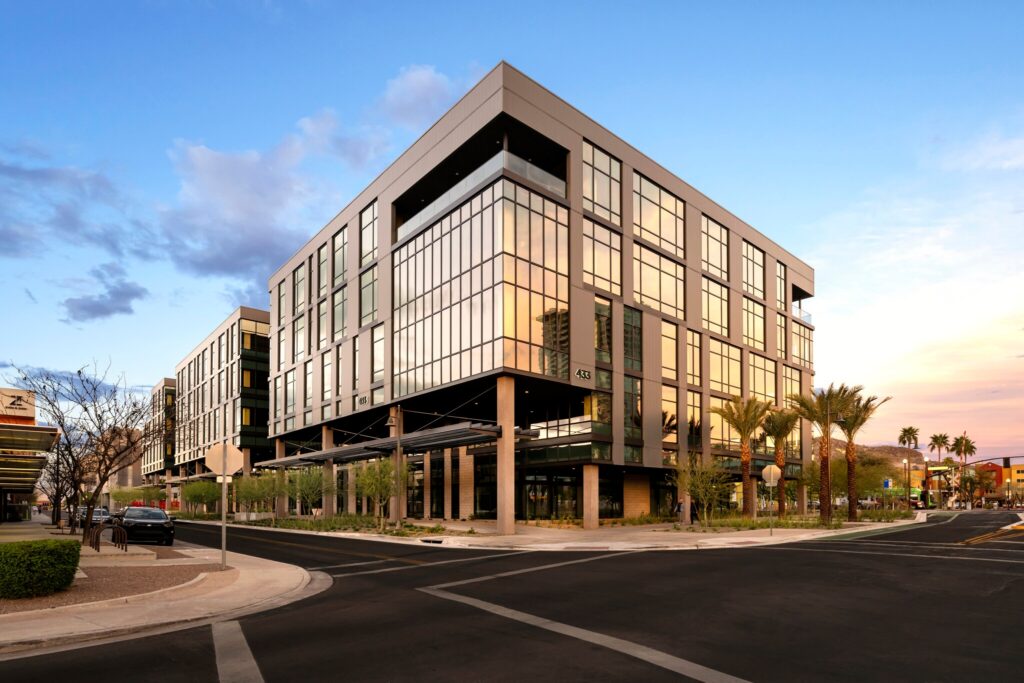
Συνέντευξη του Executive Director και ιδρυτή της Skyline Facades, Πέτρου Καρατζά στο περιοδικό Alumini – ο Πέτρος μιλάει για το Facade Engineering στην Ελλάδα, τη βιωσιμότητα των κατασκευών αλουμινίου και τις πράσινες πιστοποιήσεις. Ολόκληρη η συνέντευξη εδώ. Alumini: Ποιες είναι οι κυριότερες προκλήσεις που μπορεί να προκύψουν κατά τον σχεδιασμό και την υλοποίηση κατασκευών αλουμινίου σε περιοχές με δύσκολες καιρικές συνθήκες ή έντονη ρύπανση –και πώς τις αντιμετωπίζετε; Οι μεγαλύτερες προκλήσεις που αντιμετωπίζουμε σε περιοχές με ακραίες καιρικές συνθήκες ή υψηλά επίπεδα ρύπανσης αφορούν κυρίως την ανθεκτικότητα των υλικών, τη μακροχρόνια απόδοση των συστημάτων και τη συντήρηση τους. Οι αλλαγές στο περιβάλλον είναι μια πραγματικότητα που πρέπει να ζήσουμε με αυτήν, καθώς υλικά και μονώσεις που επαρκούσαν πριν από 20-30 χρόνια, να μην καλύπτουν τις σημερινές απαιτήσεις. Σε περιοχές με έντονες θερμοκρασιακές μεταβολές, ισχυρούς ανέμους ή υγρασία, απαιτείται ιδιαίτερη προσοχή στον σχεδιασμό των συστημάτων, με κατάλληλα προφίλ αλουμινίου, θερμοδιακοπών και υαλοπινάκων, ώστε να εξασφαλιστεί η θερμομονωτική και στατική επάρκεια. Στην περίπτωση της ρύπανσης –για παράδειγμα οι βιομηχανικές ζώνες ή αστικά κέντρα με υψηλά επίπεδα διοξειδίου του θείου ή άλλων διαβρωτικών στοιχείων– δίνουμε έμφαση στην επιφανειακή προστασία του αλουμινίου, όπως είναι η ανοδίωση υψηλών προδιαγραφών ή η χρήση ειδικών super durable powder coatings με αντοχή σε UV ακτινοβολία και χημικούς ρύπους. Σημαντική παράμετρος του σχεδιασμού κελύφους αποτελεί και η συντήρηση του -καθώς στην πράξη βλέπουμε ότι ελάχιστα είναι τα κτίρια που καθαρίζονται, με αποτέλεσμα η όψη τους να δείχνει «γερασμένη» πρόωρα. Για αυτό το λόγο, εφαρμόζουμε στο σχεδιασμό μας σαφείς στρατηγικές cleaning και maintenance, με πρόβλεψη για façade access strategy. Τέλος, καθώς πάνω από το 90% των έργων μας είναι στο εξωτερικό, έχουμε αποκτήσει τεχνογνωσία σε διαφορετικά περιβάλλοντα (τροπικά, ημιέρημα, αστικά, παράκτια), γεγονός που μας επιτρέπει να προσαρμόζουμε τις λύσεις μας στις ιδιαίτερες απαιτήσεις κάθε τοποθεσίας. Beam on Farmer, Arizona / Phoenix, USA Alumini: Υπάρχουν συγκεκριμένες προδιαγραφές ή πρότυπα που καθοδηγούν τις επιλογές σας; Φυσικά. Οι επιλογές μας καθοδηγούνται από διεθνή και τοπικά πρότυπα, τα οποία εξαρτώνται από τη γεωγραφική περιοχή και τις απαιτήσεις του εκάστοτε έργου. Στην πλειοψηφία των περιπτώσεων, ακολουθούμε τα ευρωπαϊκά πρότυπα (EN), για παράδειγμα το EN 13830 για curtain walling, το EN 13501-1 για πυροπροστασία καθώς και πρότυπα που σχετίζονται με τη θερμομόνωση, τη στατική αντοχή και την αντίσταση σε αέρα, νερό και ανεμοπίεση (π.χ. EN 12207-12211). Όταν τα έργα μας είναι εκτός Ευρώπης –όπως στη Βόρεια Αμερική ή τη Μέση Ανατολή– ενσωματώνουμε και τα αντίστοιχα πρότυπα της κάθε χώρας, όπως τα ASTM και NFPA στις ΗΠΑ, ή τα BS standards στο Ηνωμένο Βασίλειο. Συχνά, μάλιστα, εφαρμόζουμε συνδυαστικά πρότυπα, προκειμένου να καλύψουμε τόσο τις τοπικές απαιτήσεις όσο και τα διεθνή best practices. Γενικά τα EN και τα ASTM είναι διεθνώς αποδεκτά σε όλες τις περιοχές του κόσμου. Παράλληλα, οι επιλογές μας επηρεάζονται από τις απαιτήσεις πιστοποίησης του έργου, όπως LEED ή BREEAM, που επιβάλλουν συγκεκριμένα όρια για ενεργειακές επιδόσεις, sustainability, fire behavior, και δυνατότητα ανακύκλωσης των υλικών. Είναι σημαντικό να τονίσουμε ότι τα πρότυπα δεν πρέπει να λειτουργούν μόνο ως “πλαίσιο συμμόρφωσης”, αλλά να είναι ένα εργαλείο ποιότητας, να  αποτελούν τη βάση για την τεκμηρίωση των λύσεων προς τον πελάτη, αλλά και για τον έλεγχο των κατασκευαστικών και ενεργειακών παραμέτρων του έργου. Old Paradise Street, London / UK Alumini: Η βιωσιμότητα αποτελεί πλέον αναπόσπαστο μέρος του αρχιτεκτονικού σχεδιασμού. Πώς ενσωματώνετε την περιβαλλοντική ευαισθησία στις λύσεις που προσφέρετε; Η βιωσιμότητα (sustainability) είναι μια έννοια που ο καθένας αντιλαμβάνεται διαφορετικά. Στόχος μας είναι να προσφέρουμε λύσεις που εξισορροπούν την αισθητική, την τεχνική αρτιότητα και τη μείωση του περιβαλλοντικού αποτυπώματος. Αρχικά, δίνουμε έμφαση στη χρήση προφίλ αλουμινίου που είναι ανακυκλώσιμα και προέρχονται, όπου είναι δυνατό, από πιστοποιημένες πηγές χαμηλού embodied carbon (π.χ. aluminium με EPDs – Environmental Product Declarations). Επιπλέον, προτείνουμε υαλοπίνακες με προηγμένες επιστρώσεις (low-E, selective coatings) που συμβάλλουν στη μείωση των ενεργειακών φορτίων του κτιρίου. Στον σχεδιασμό των όψεων, προτείνουμε τεχνικές παθητικής σκίασης και φυσικού αερισμού, ενσωματώνοντας στοιχεία όπως αεριζόμενες προσόψεις (ventilated facades), brise soleil ή διπλό κέλυφος (double-skin façades), με στόχο την ενίσχυση της ενεργειακής απόδοσης χωρίς την ανάγκη μηχανολογικών επεμβάσεων. Σε κάποιες από τις χώρες που δραστηριοποιούμαστε, όπως στις ΗΠΑ, η βιωσιμότητα και το embodied carbon emissions είναι πολύ ψηλά στις σχεδιαστικές προτεραιότητες ενός κτιρίου ενώ σε άλλες, όπως στη Μέση Ανατολή όχι. Βλέπουμε επίσης αρκετούς πελάτες να απαιτούν πλέον πράσινες πιστοποιήσεις όπως LEED, BREEAM και WELL, και είναι κάτι που εμείς ως façade engineers εργαζόμαστε συλλογικά ως ομάδα μαζί με τον environmental consultant, τον lead architect και φυσικά το developer. Icon Tower, Tel Aviv / Israel Alumini: Ποιος είναι ο ρόλος της προσομοίωσης στον σχεδιασμό σύγχρονων κατασκευών αλουμινίου; Υπάρχουν τρόποι αξιοποίησης των τεχνικών ανάλυσης για τη βελτιστοποίηση της μηχανικής συμπεριφοράς και της απόκρισης σε ακραία φαινόμενα; Η προσομοίωση αποτελεί πλέον βασικό εργαλείο στον σχεδιασμό σύγχρονων κατασκευών, ειδικά όταν πρόκειται για σύνθετες όψεις με αυξημένες απαιτήσεις μηχανικής αντοχής, ενεργειακής απόδοσης ή απόκρισης σε ακραία φαινόμενα. Χρησιμοποιούμε λογισμικά όπως FEM (Finite Element Modelling) για την ανάλυση της στατικής και δυναμικής συμπεριφοράς των συστημάτων μας – από την καμπτική δυσκαμψία των προφίλ μέχρι την απόκριση σε φορτία ανέμου, σεισμό ή θερμική διαστολή. Με αυτόν τον τρόπο μπορούμε να εντοπίσουμε σημεία έντασης, να βελτιστοποιήσουμε τις διατομές και να διασφαλίσουμε την ασφάλεια και λειτουργικότητα του κελύφους ακόμα και σε εξαιρετικά απαιτητικά περιβάλλοντα. Χρησιμοποιούμε επίσης CFD (Computational Fluid Dynamics) για την αεροδυναμική μελέτη των όψεων, αλλά και για τη διαχείριση φυσικού αερισμού ή θερμικών ροών σε double-skin ή ventilated façades. Αυτές οι αναλύσεις είναι χρήσιμες για έργα με υψηλά sustainability targets ή σε περιοχές με ισχυρούς ανέμους και φαινόμενα τοπικής υποπίεσης. Η μεγαλύτερη αξία αυτών των εργαλείων είναι ότι μας επιτρέπουν να περάσουμε από μια “αντιδραστική” σε μια “προληπτική” προσέγγιση: εντοπίζουμε πιθανά προβλήματα ήδη από το στάδιο του σχεδιασμού και προτείνουμε τεκμηριωμένες λύσεις που μειώνουν το ρίσκο και βελτιστοποιούν την απόδοση. Toronto Premium Outlets, Ontario / Canada Alumini: Με το βλέμμα στο μέλλον, ποια είναι η στρατηγική της Skyline Facades για την καινοτομία στον τομέα των κατασκευών αλουμινίου; Μια από τις μεγαλύτερες προκλήσεις των επόμενων δεκαετιών είναι σίγουρα η αστικοποίηση και η συγκέντρωση του παγκόσμιου πληθυσμού στις πόλεις. Σύμφωνα με

Συνέντευξη του Πέτρου Καρατζά: Facade Engineering και βιωσιμότητα Read More »