
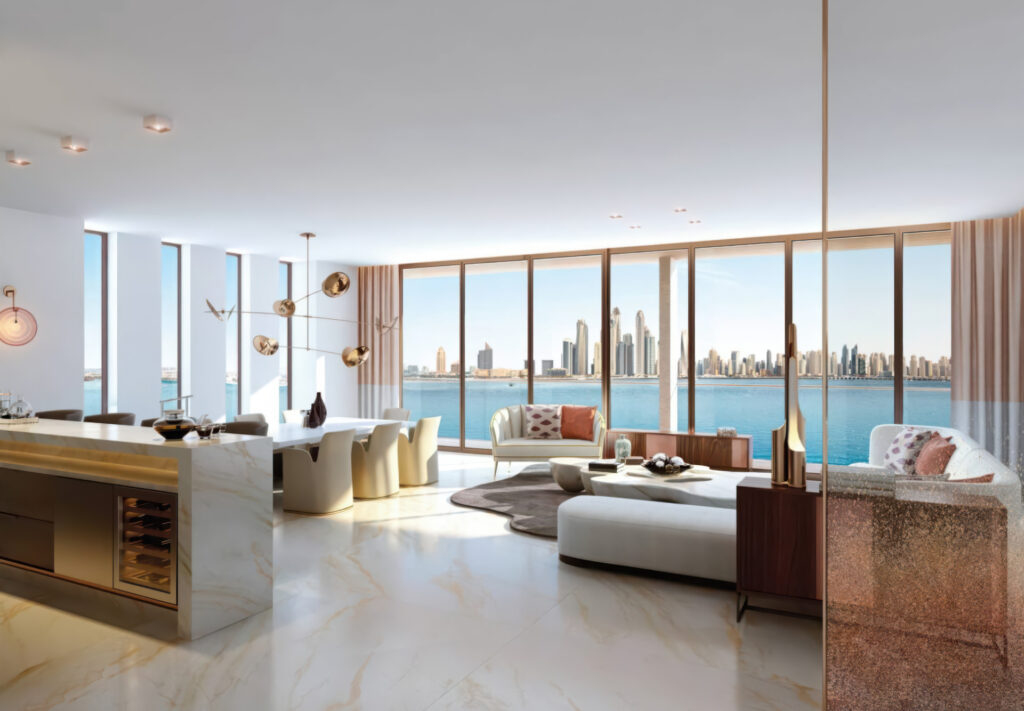
Andreas Tsichlis, Facade Director of Cavazos Associates and founding member of the Society of Facade Engineering Greek Hub, explains to Alumini magazine the technology behind the invisible architecture of minimal frames and why they should not be treated as just another architectural trend, but as integrated technical systems of high demands.
If one follows the evolution of architecture in recent years, one of the main issues is the abolition of the boundaries between indoor and outdoor space. The need for more natural light, unobstructed view and direct contact with the environment has had a decisive impact on the way in which both buildings and the systems that support them are designed today.
Within this framework, Minimal Frames systems were developed, which have now established themselves as one of the dominant trends in the field of aluminum and architectural facades. In reality, however, minimalism is not just about sliding systems. It is a more general design philosophy that affects almost every product category, from frames to complex façade applications.
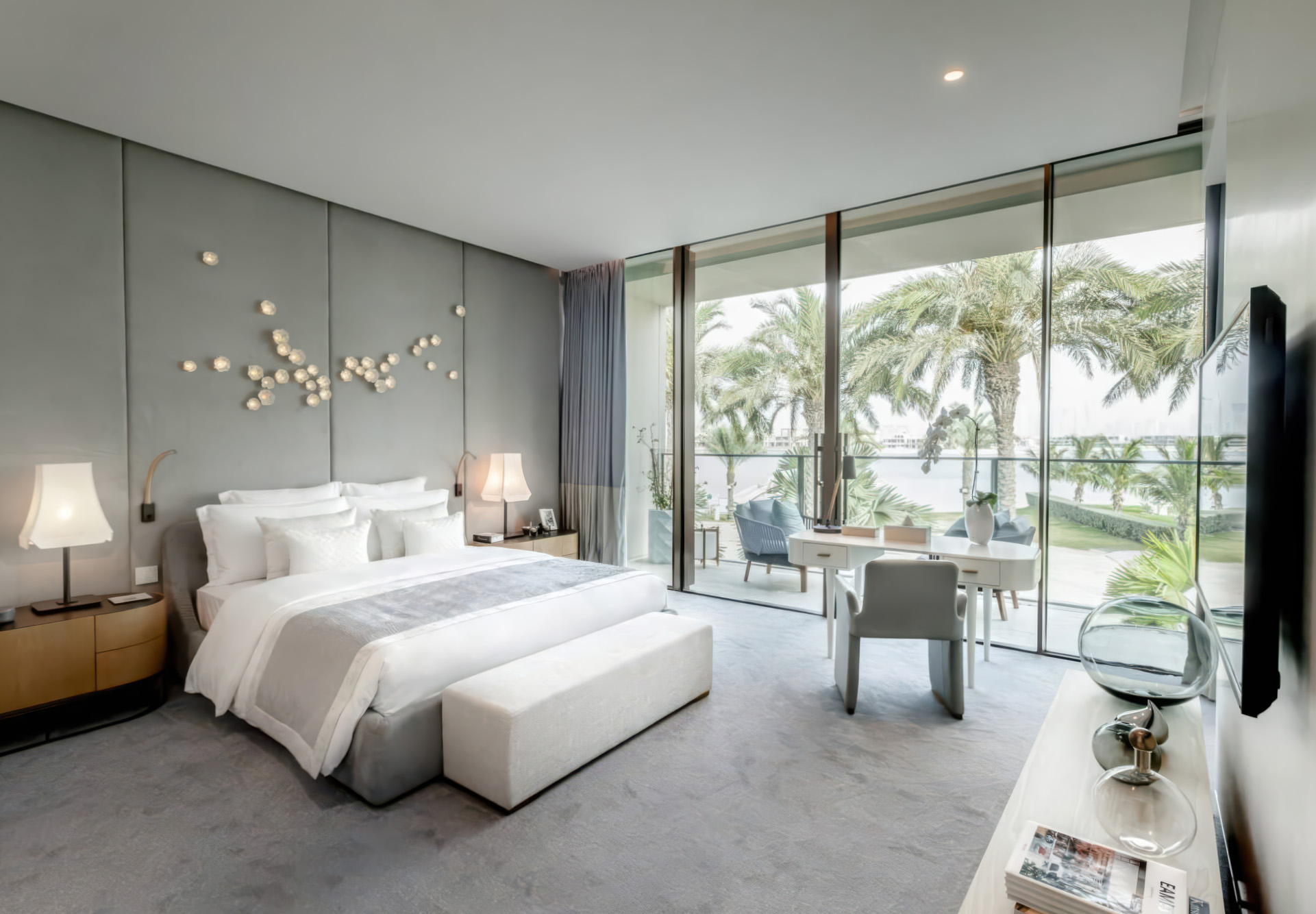
Interestingly, this development comes as a continuation of a course of several decades. In the past, the development of aluminum systems was primarily focused on strength, functionality, and the ability to produce more complex structures. Later, the emphasis shifted to thermal insulation, tightness, and improving energy efficiency. Today, without abandoning these requirements, we see a new issue dominating: the reduction of the visual presence of the system.
As facade engineers and aluminum systems developers, we consider this to be perhaps the most interesting technical bet of our time. The goal is not to use less aluminum. The goal is to make aluminum less visible, without losing anything it offers in terms of durability, safety and performance.
The philosophy of “In & Out” expresses exactly this logic. The system ceases to function as an apparent boundary that separates two different spaces and turns into a means of connecting them. The view, the light and the landscape become part of the user’s daily experience, while the presence of the frame is limited to the absolutely necessary.
This, of course, is much easier to design in an architectural plan than to implement in practice. The smaller the visible cross-sections, the greater the requirements that a system is called upon to meet. Large glazing panes entails increased weights, greater wind loads, and stricter operating requirements. At the same time, the market is asking for higher and higher performance in thermal insulation, air tightness and water tightness.
If we only consider that today it is not unusual to encounter glazing four meters high or more, with weights of hundreds of kilograms per sheet. In these cases, the design is not only about the profile that we see; it is about the overall behavior of the system, the bending arrows, the wind pressures, the construction tolerances, the movements of the load-bearing structure and, of course, the long-term reliability of the construction. For this reason, Minimal Frames should not be treated as an aesthetic feature or as another architectural trend. They are integrated technical systems of high demands, in which engineering, material technology, shell physics and architecture are called upon to work simultaneously.
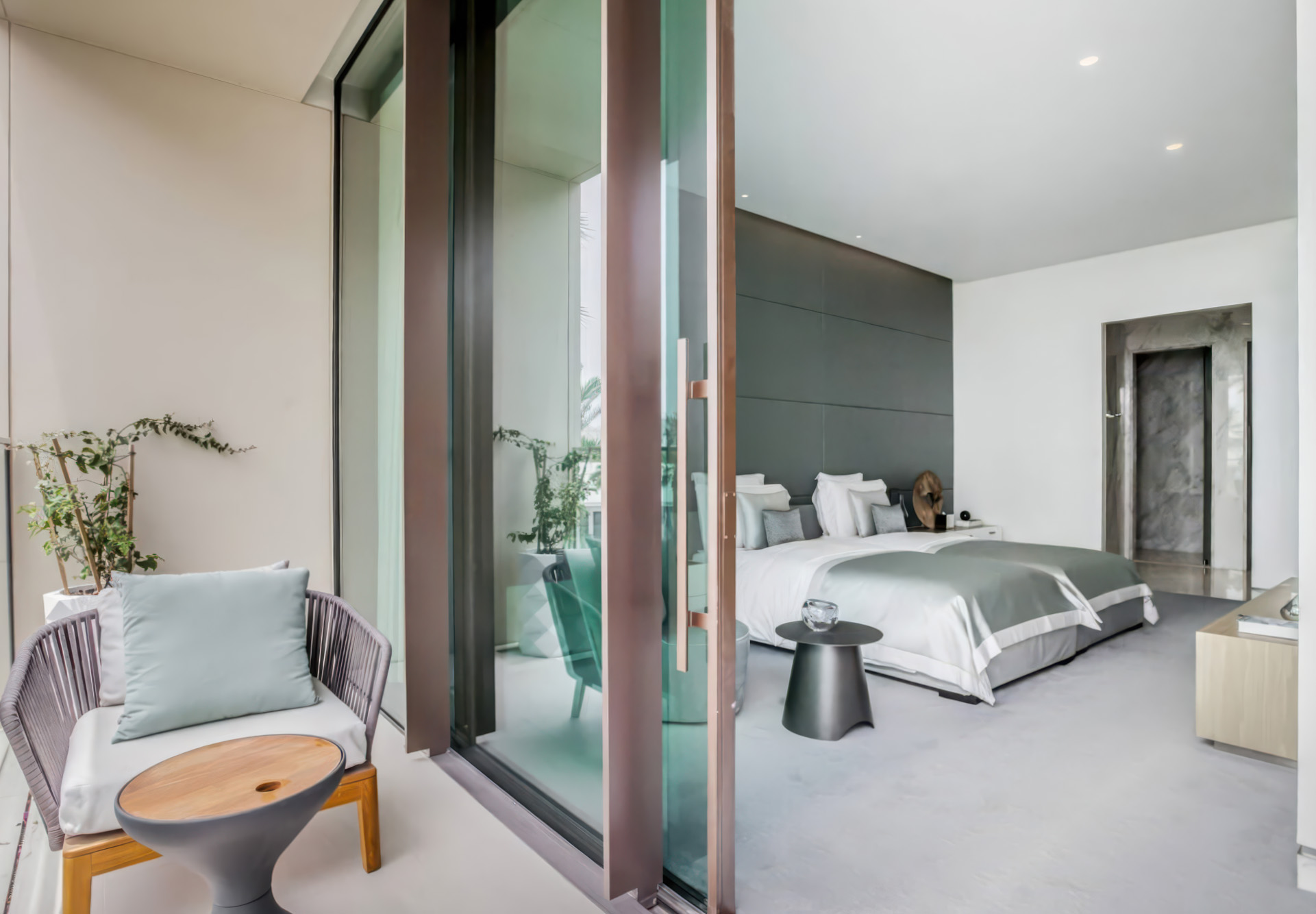
Particular attention is also required at the application stage. Experience shows that the more visually “clear” a system is, the smaller the margins for error during installation. Proper alignment, supports, quality of project infrastructure, and collaboration with the building’s load-bearing structure play a crucial role in the final outcome. This is not a weakness of minimal systems. On the contrary, it is the natural consequence of their technological development. Every step towards greater transparency and better aesthetics comes with increased precision requirements in design, production, and installation. Fortunately, the industry has evolved significantly in recent years. Systems development companies are constantly investing in research and testing, manufacturers now have a high level of know-how and designers integrate the requirements of modern facades into project design from a very early stage.
The evolution of Minimal Frames and modern facades is not about the disappearance of aluminum. It is about its most efficient and smarter utilization. Aluminum remains the key carrier of strength, functionality, and reliability, even when its presence becomes virtually invisible. And perhaps this is the greatest achievement of modern systems technology: allowing the material to do more than ever before, while appearing less than ever.
The original interview of Andreas to Alexia Kalogeropoulou is also available at https://alumini.gr/minimal-frames-kai-i-filosofia-tou-in-and-out/