
Our Executive Director Petros Karatzas is hosted in the October – December 2025 edition of Window & Facades magazine of WFM Media.
Petros’ article is featured -along with other notable facade engineering experts- in a wider discussion about Intelligent and Responsive Design for the Next Era of Facades.
Full article is also available in the following link https://wfmmedia.com/magazine/window-facade-magazine-global-october-december-2025/ as well as to our official LinkedIn company page.
Our thanks to Shefali Bisht, Associate Editor for F&F Media and Publications for her kind collaboration.
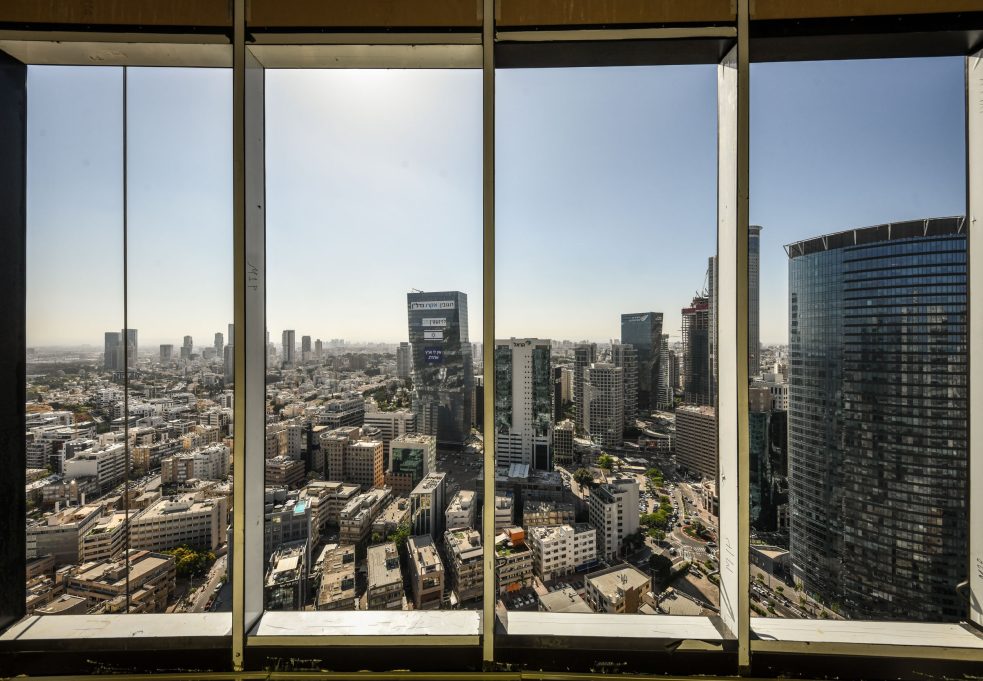
WFM Media: How do you see building facades evolving over the next decade, especially with rapid advances in materials and technology.
Petros: When I look ahead at how building facades will evolve over the next decade, I’m both optimistic and realistic. Our industry often talks about revolutionary change, like materials that will solve everything, technologies that will transform the way buildings behave, but in practice, progress tends to move slower than the headlines suggest. And I don’t say that as a limitation but it’s simply the nature of an industry where safety, durability, and long-term performance matter more than speed. If we just look at how other industries, like transportation or telecommunications have evolved the last 20-30 years, we understand that construction industry moves at a slower pace.
What I do expect is probably a steady but meaningful shift toward facades that are more intelligent and more responsible. We will continue to see incremental advances in materials such as glazing that performs better, composites that are lighter, coatings that last longer, and these improvements, though usually not dramatic, have a cumulative impact that is often underestimated. The real change will come from how these materials are combined with digital tools. The integration of sensors, automation, and data-driven design can help facades to respond more intuitively to their environment, improving comfort and efficiency without drawing attention to the technology behind the scenes.
I also believe manufacturing and construction processes will become more refined. Prefabrication, better coordination through BIM, and more precise quality control will gradually reshape how facades are delivered. These shifts might not be as visible as new materials, but they can significantly improve performance and reduce waste—two priorities our industry can no longer ignore.
WFM Media: What emerging facade innovations excite you the most, and why do you think will make a real difference to future buildings.
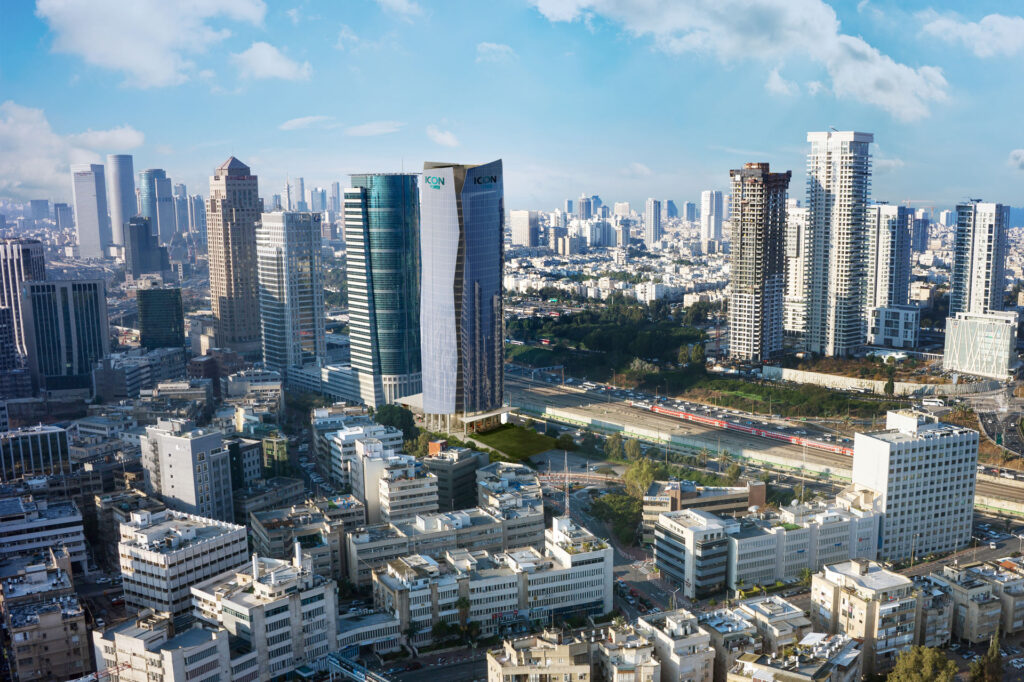
Petros: When I think about facade innovations that excite me, I tend to focus less on the “headline technologies” and more on the developments that can have a positive impact on our everyday practice. Our industry doesn’t change overnight, so the innovations that matter the most are probably the ones that can actually be adopted at scale and not just admired in prototypes.
An area I find particularly interesting is the quiet progress happening in high-performance glazing and coatings. We see developments in materials that manage heat and light much more intelligently, like glass that can reduce solar gain without darkening the space or blocking views, and coatings that maintain their performance longer in harsh climates. I know these sound like incremental improvements, but in facades, these incremental improvements across millions of square meters can have a massive impact.
I am also encouraged by the evolution of prefabricated and unitized facade systems. The precision and quality that can be achieved in controlled manufacturing environments is impressive, and it opens the door to more predictable performance, faster installation, and less waste. This is one of those areas where innovation doesn’t have to be flashy to be transformative.
What excites me most is the combination of these ideas: better materials, smarter systems, and more precise delivery methods. Individually their impact might not be great but the combination of these can improve the entire lifecycle of the building in a grounded and practical way that I believe the industry is ready for.
WFM Media: Sustainability is becoming essential rather than optional. How can future facades contribute meaningfully to energy efficiency and climate-responsive design.
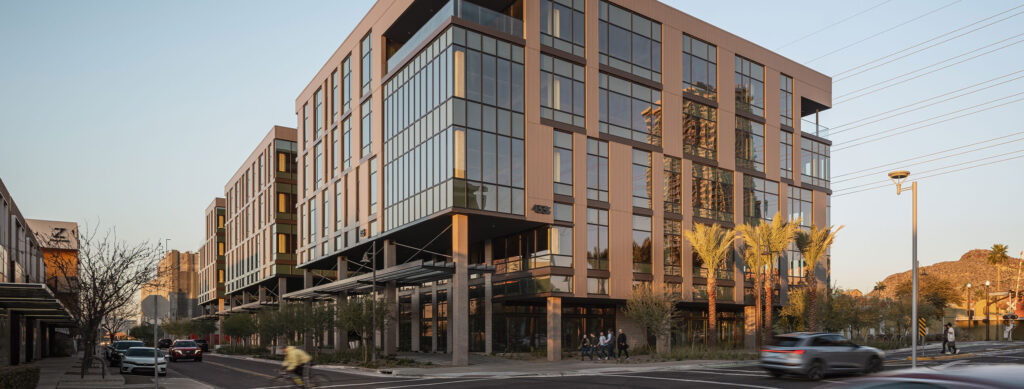
Petros: When we talk about sustainability in facades, the simplest way is to repeat the same phrases about responsibility and climate goals. But reality is, as always, more complex. In practice, sustainability goals often contrast with commercial pressures, and many decisions are naturally driven by profit rather than performance. I think it’s important to acknowledge that openly, because pretending otherwise doesn’t help the industry move forward.
A good example is something we all face at some point: what are we doing when the highest energy-consumption orientation of a building also offers the best view, and therefore the highest commercial value? The sustainable solution might be to reduce glazing, add shading, or rethink the massing, but the financial argument pushes in the opposite direction. In these cases, there is no perfect answer; there is only a careful balancing solution.
This is where I believe facade design can make a meaningful difference, not by insisting on idealistic solutions that won’t be accepted by the investors, but by finding smart ways to reconcile competing priorities. If a fully glazed facade is commercially essential, then the design has to compensate through better glass selection, improved insulation, intelligent shading, or to integrate other passive strategies elsewhere in the building. The goal becomes minimizing the impact rather than eliminating it, because eliminating it may simply not be applicable.
We should also recognize that sustainability often fails not because of a lack of knowledge, but because the long-term benefits rarely align with short-term financial models. Energy savings accrue over years, while construction costs appear upfront. Until those two timelines are better aligned, the tension remains.
Still, facade designers can do a lot even within these constraints. They can reduce operational energy demand through considered design. They can lower embodied carbon through smarter material choices. They can maintain high performance over time through monitoring and early maintenance. And importantly, they can help clients understand that a more efficient facade is not just an environmental decision but it also reduces risk, improves comfort, and ultimately supports the building’s value.
So yes, sustainability and profit often contradict each other, and we shouldn’t pretend otherwise. But through thoughtful, context-driven design, facades can serve as the bridge between those two forces by finding solutions that are not perfect but are genuinely better, and achievable in the real world where most projects actually live.
WFM Media: Smart systems are finding their way into the built environment. How do you think intelligent or adaptive facades will reshape the way buildings perform.
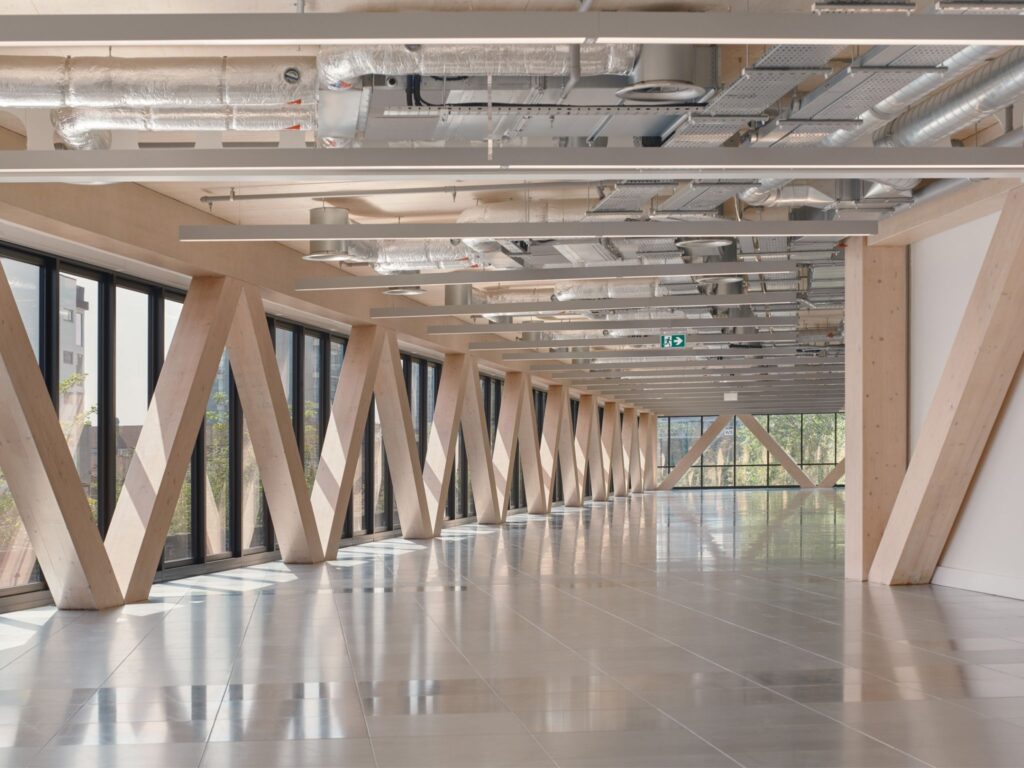
Petros: Intelligent or adaptive facades are often framed as the “next big leap” in architecture, and in some ways that’s true. Technology has enormous potential, but real impact depends on careful integration, long-term performance, and practicality in the context of the building’s use and maintenance.
What excites me about smart facades is not flashy, dramatic movement or constant visual change, but their ability to respond subtly to the environment and user needs. Imagine facades that automatically adjust shading to reduce overheating, optimize daylight without glare, or modulate ventilation based on occupancy and air quality. We have seen such projects and they do directly influence energy efficiency, occupant comfort, and the longevity of building systems.
I also see smart facades enabling a more proactive approach to maintenance and lifecycle management. Embedded sensors can monitor thermal performance, detect leaks, or flag component wear before problems become costly. The technology is here and over time, this kind of continuous feedback could shift how facades are designed, built, and maintained, making them not just passive envelopes, but active contributors to the building’s overall performance.
That said, I think the application of adaptive facades will be gradual. Systems must prove they are reliable, affordable and can have a real measurable benefit. There will always be a gap between the conceptual potential and what is practical for widespread application, especially in markets where upfront cost pressures dominate.
In essence, I see intelligent facades reshaping design not through spectacle, but through subtle, data-informed responsiveness that enhances performance, efficiency, and user experience. The leap isn’t just in technology, it’s in the way designers and engineers integrate it efficiently, ensuring the facade is smarter, but also more resilient and useful over time.
WFM Media: What challenges do you believe the industry must overcome -whether technical, regulatory, or mindset-driven, to achieve the next leap in facade design.
Petros: Each of these categories above (technical, regulatory and mindset-driven) is filtered through regional priorities, which makes the conversation far from uniform in global level.
Technically, facades are becoming more complex, integrating advanced materials, smart systems, and performance monitoring. Ensuring reliability, long-term durability, and maintainability is no small task. Even the most innovative ideas can fail if the execution is imperfect or the technology is pushed before it’s fully understood.
Regulatory challenges are another major factor, and they vary widely by region. In the United States, for example, much of the discussion revolves around carbon emissions and energy efficiency, reflecting national climate goals. In the UK, fire safety often dominates the conversation, shaping everything from material selection to facade geometry and fire strategies. In other parts of the world, priorities may be seismic performance, extreme heat mitigation, or local construction practices. These differences mean that a solution that works brilliantly in one context may be not viable or even prohibited in another, and designers must constantly navigate this patchwork of requirements.
Mindset is perhaps the most subtle, but also the most persistent, barrier. There is often a gap between the potential of innovative facades and the willingness of clients, developers, or contractors to embrace them. Cost pressures, risk aversion, and entrenched habits can slow adoption, even when the technical and regulatory frameworks allow it. Changing that mindset—helping stakeholders understand the long-term value of performance, resilience, and sustainability—is as important as any material innovation or smart system.
In short, achieving the next leap in facade design is not just about new technology but it’s also about navigating a complex interplay of technical challenges, regulatory landscapes, and human factors.
WFM Media: In your view, what role will façade design play in creating healthier, more comfortable environments for building occupants.
Petros: This becomes increasingly important. A recent study in the U.S. showed that people nowadays spend around 87% of their time indoors. In many ways, we’re no longer an outdoor species, we’ve evolved into an indoor one. That makes the quality of our indoor environment a core element of human wellbeing.
For me, two factors stand out: light and air.
Over the last 10-15 years, we see many buildings with WWR (Window-to-Wall Ratio) very high, sometimes even more than 85%. Of course we all enjoy daylight, views, and a sense of openness, be it at the office or at home. But the daylight that enters these spaces is no longer “natural” in the full sense but it is filtered through glasses with high-performance coatings. These coatings are essential for controlling heat gain and energy consumption, but as a result, modern glazing blocks virtually all UVB radiation and allows only a small portion of UVA.
We know from multiple studies that exposure to natural light has a profound impact on our mood, circadian rhythms, and overall psychological health. So the challenge for facade designers is to find the right balance between allowing healthy and quality daylight to reach occupants while still providing the thermal control that modern buildings demand. It’s not as simple as “more glass equals more light.” It requires thoughtful orientation, selective coatings, shading strategies, and an honest understanding of how light quality affects people, not just energy models.
The second factor is air, and here we often underestimate just how critical it is. When we spend almost all our time indoors, the refresh rate and quality of the air we breathe directly affect productivity, sleep quality, cognitive function, and long-term health. In facade terms, this translates into the potential for natural ventilation.
Natural ventilation is a powerful tool, but it has become overshadowed by sealed facades and mechanical systems. In many climates, even a modest ability to introduce fresh air—operable windows, ventilated cavities, pressure-controlled openings—can greatly improve indoor comfort and reduce dependence on mechanical cooling. Natural ventilation helps regulate humidity, removes indoor pollutants, and strengthens that psychological sense of “connection” to the outside environment that sealed glass towers often eliminate.
Of course, natural ventilation can’t be applied everywhere: climate, noise, pollution, and building typology all influence what’s feasible. But where it is possible, facade design becomes the facilitator. The facade determines airflow paths, controls how air enters and moves through the building, and ensures that ventilation doesn’t compromise security, acoustics, or thermal comfort.
In short, facades are not just visual elements—they are the gateway through which light and air shape our indoor lives. As we continue spending the vast majority of our time inside buildings, facade design will be essential for ensuring that those environments support our health, comfort, and psychological wellbeing. For me, this is where the future of facade design becomes truly meaningful.