

After more than a decade of severe economic crisis, the construction sector in Greece is currently booming. It is not only the mega-project of Hellinikon or some other headline projects, we all see construction sites and cranes in virtually every neighborhood that we pass through. And as the architects design taller and more complex buildings, the need for facade engineering has, almost naturally, come into the discussion.
In this context, the Greek Hub of the Society of Facade Engineering has been established in Athens by the end of 2025 by persons that are active in the facade sector in the country, along with young talented Greek engineers that left during the economic crisis, have been employed in some of the largest companies in the sector -mainly in the UK- and have acquired a specialized knowledge that is both valuable and necessary in our country by now.
We discuss with two of its founding members, Tasos Poulokefalos and Chrysanthi Anastasiou.
What is the Society of Facade Engineering and where it was first formed?
Tasos: Back in 2004, a group of architects, structural engineers and mechanical engineers based in London recognized the growing complexity and importance of building facades and expressed a clear need to establish the Society of Facade Engineering. Their aim was to formally acknowledge facade engineering as a distinct discipline within the construction industry, rather than a subset of architecture or structural design.
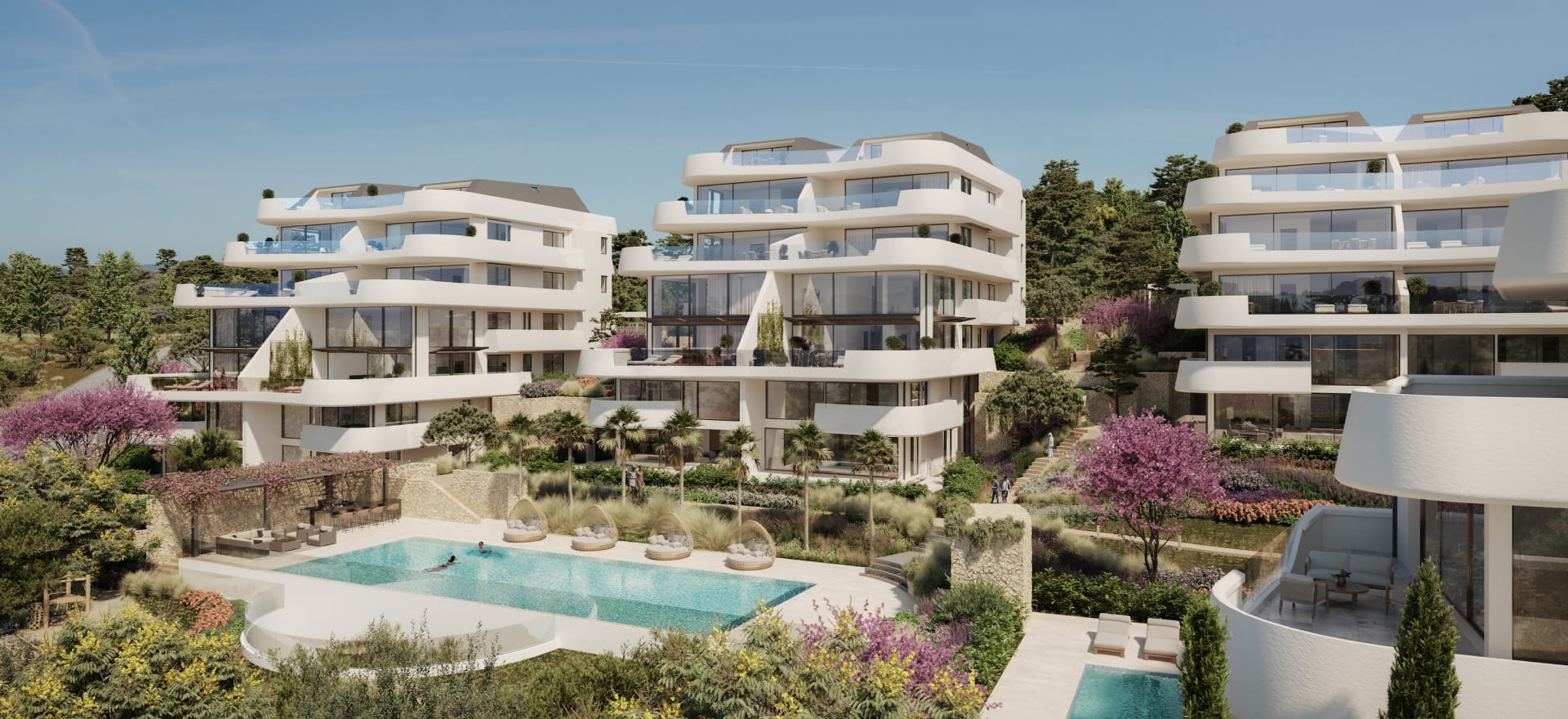
What benefits you believe will accrue from the emergence of the importance of the facades for the buildings in Greece.
Petros: From a market perspective, the shift to the importance of facades becomes gradually visible. Investors and clients start to recognize that facade performance is closely linked to asset value. Buildings with well-designed envelopes tend to perform better in terms of operating costs, user comfort, and certification potential, which in turn strengthens their position in a competitive real estate environment.
Perhaps just as importantly, the stronger presence of facade engineering allows for greater confidence in architectural ambition. We do see in Greece nowadays taller buildings, complex geometries, the use of innovative materials, and high-performance systems. All these can be pursued without compromising the buildability or the long-term performance. This creates the space for more expressive and forward-looking architecture, grounded in technical reliability.
Finally, the emergence of facade engineering as a recognized discipline contributes to the development of the wider construction sector. It encourages specialization, raises standards, and supports knowledge transfer across designers, contractors, and materials suppliers. Over time, this can position Greece more competitively, both regionally and internationally.
What are the biggest challenges facade engineers and consultants face in Greece today?
Petros: For many years, the building envelopes were mostly treated as a secondary layer, something to be resolved later in the process. This perception is gradually changing, and the implications are significant.
As energy performance requirements become stricter all over Europe, facades start to be understood as one of the most critical factors in reducing a building’s operational footprint. In a country like Greece, where solar exposure is intense and cooling demands are relatively high, the way a facade is designed can have a direct and lasting impact on energy consumption, indoor comfort, and overall environmental performance.
At the same time, local conditions demand a more careful and informed approach. Coastal environments, strong winds, seismic activity, and temperature variations all place stress on the building envelope. A more advanced facade engineering culture helps address these challenges in a systematic way, leading to buildings that are not only more efficient, but also more robust and durable over time.
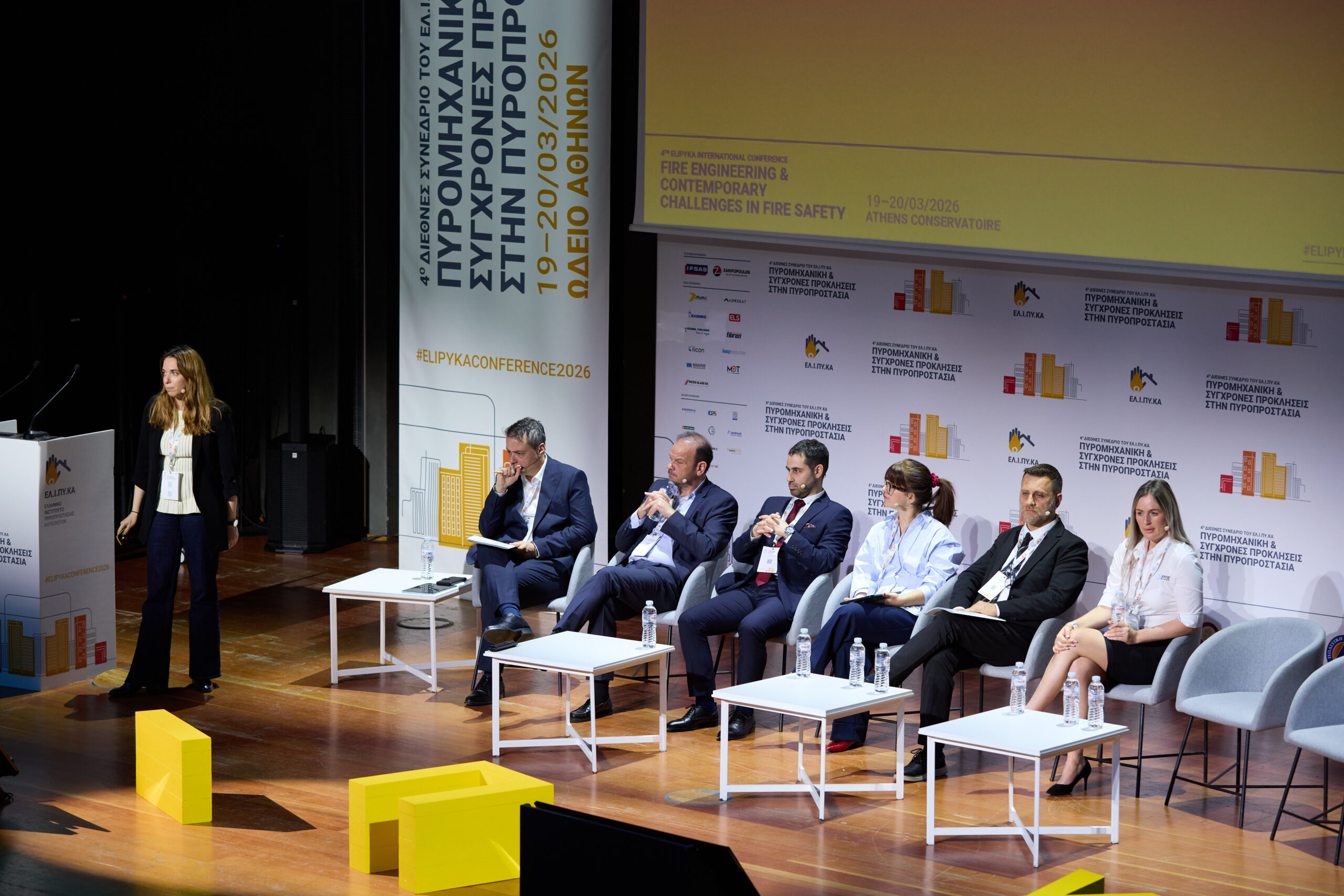
We have witnessed the recent years certain initiatives towards adherence to international standards and buildings safety, the establishment of the Hellenic Institute for the Fire Protection of Structures (ELIPYKA) being a notable one.
There is of course a clear impact on quality and risk. When facade design is properly integrated and led by specialists, common issues or defects such as water penetration, poor thermal performance, or premature material degradation can be significantly reduced. This ultimately translates into fewer problems, lower maintenance costs, and more predictable outcomes for developers and owners.
Which trends or innovations in facade engineering do you believe will have the biggest impact in Greece over the next 5-10 years?
Tasos: We should move toward building smarter, leaving behind outdated methods and embracing modern construction trends. This shift highlights the importance of designing sustainable building envelopes that enhance performance and environmental responsibilities. At the same, developing smart systems that are efficient and easy to maintain.
Do you think there is a gap in facade engineering education or specialization in Greece? How can it be addressed, or how can someone actually become a facade engineer?
Chrysanthi: Yes, there is currently an educational gap in Greece for the façade engineering specialization, as there is no structured pathway in academia to certify a façade engineer. This reflects the past decade of market demand for the profession, which has only been rising in more recent years. There are no dedicated bachelor or master façade engineering degrees yet in Greece, although principles of the field, such as thermal performance, structural design, physics (acoustic isolation), are taught in engineering schools, eg Civil or Architectural engineering. Studying and specializing abroad in façades, however, is not uncommon. Technical University of Delft in the Netherlands and Bath University in the UK, for example, offer façade engineering specialization Masters. Similarly, Italy offers an educational path in Building Engineering, which includes building physics and structural subjects that lay the bath towards becoming a professional façade engineer.
How will the Greek Hub support professionals, architects and engineering in improving facade design and performance?
Chrysanthi: The Greek SFE Hub is meant to create a safe space to exchange knowledge in the façade engineering field. Precious precedent experience from people of various backgrounds can be a valuable tool for all generations of designers. Professionals who hold façade engineering experience from abroad, engineers who have been working in the country and are familiar with the local policies and processes, newly emerging professionals interested in the field; everyone is welcome to join the society, follow, learn, teach, and benefit from the professional support amongst members. Information is power, so especially for an emerging sector like façade engineering, sharing knowledge, ideas and aspiration for the future is key to professional success.
What is the stage of a project that you believe the involvement of a facade engineer will have the biggest benefit?
Tasos: At the earliest possible stage, following the development of the initial architectural scheme, it is essential for both the architects and the client to recognise the value of engaging façade consultants during the design development phase. Their early involvement ensures informed decision making, enhances performance outcomes, and supports the successful integration of technical and aesthetic objectives.
How important is the collaboration between architects, engineers, contractors and developers in facade projects, and how can it be improved in Greece?
Petros: The role of the facade engineer in projects is to act as a kind of “bridge”, a bridge between the architect intent, the engineer performance criteria, the contractor practical constraints and the developer commercial priorities. As a general rule, the earlier involvement there is for the facade engineer -I guess this applies for all specialized consultants-, the better overall results there are for the project. There are issues and decisions that no single discipline can effectively resolve in isolation, so collaboration between all parties can actually make the difference between buildings that perform as intended and projects can quietly accumulate problems over time. When something is not designed properly, it is for certain that, at some point in time, will emerge.
In Greece, this level of integration is still developing. My personal opinion, two things that I would like to be improved. The first is the level of trust we have between us, not just as professionals but as society in general. The second, the courage and strength to say a simple phrase “sorry, I don’t know that”. Too often we see the mentality of “I-know-it-all” but realistically cannot be. I am a facade professional and there are fields of facades I have very few knowledge of. And what is important, is just to know the right person to address to.
There is also something to be learned from more mature regulatory environments. In the UK, for example, the introduction of Gateway 2 under the Building Safety regime has effectively formalized the need for coordinated, well-documented design before construction begins. It places emphasis on demonstrating that all key aspects of the building—facades included—have been properly considered, reviewed, and agreed upon by the relevant parties.
And since in the last 3-4 years we do see plenty of Foreign Direct Investments in our country, we had cases that facade engineering study was required in the specs, well before construction commence.
Such steps are definitely in the right direction.
Society of Façade Engineering Greek Hub Founding Members list:
Anastasiou Chrysanthi / Create
Cavazos Jamie / Cavazos Engineering
Dima Maria / Eckersley O’ Callaghan
Ioannidou-Kati Anna / Eckersley O’ Callaghan
Karatzas Petros / Skyline Facades
Moupakitzoglou Kosmas / Eckersley O’ Callaghan
Mourtzouchou Maria / BBI – Intrakat JV
Poulokefalos Tasos / Interface Façade Engineering
Sarakinioti Valentini / Thornton Tomasetti
Tsichlis Andreas / Cavazos Engineering